Laboratory products
Published over 16 years ago. See the latest and most current information on Laboratory products.
Mycotoxins are a group of toxic metabolites produced naturally by certain species of fungi. They contaminate food and feed products and pose a potential threat to human and animal health through ingestion. Most Asian and Australasian countries are located in the tropics and subtropics, where there is increased growth of fungi due to the high temperatures and humidity. As a result, these areas face serious mycotoxin contamination issues. In response, regulatory bodies in the region have introduced strict legislation to set mycotoxin limits for foods and feed. However, most mycotoxins are toxic in very low concentrations, requiring sensitive and
reliable methods for their detection in order to ensure regulatory compliance.
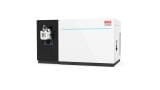
This article provides a brief overview of current legislation enforced in Asia and Australasia and presents benchtop highresolution mass spectrometry (MS) as the simplest and most powerful available method for monitoring the presence of mycotoxins in food and feed. Recently collected data demonstrates the benefits of the technology for reliable mycotoxin screening analyses.
INTRODUCTION
Mycotoxin-producing organisms can infect and colonise various agricultural crops in the field and during storage. Environmental factors such as temperature and humidity influence the occurrence of these toxins on grains, nuts and other commodities susceptible to mould infestation. In addition, any crop that is stored for more than a few days is a target for mould growth and therefore mycotoxin formation. Mycotoxins present a health risk
because most mycotoxins are relatively stable compounds that are not destroyed by food processing such as cooking or freezing. Although the generating organisms might not survive processing, the toxin can still be present.
Recently, mycotoxins have been identified by the World Health Organisation (WHO) as significant sources of foodborne illnesses. They can cause acute health conditions, such as immediate toxic response, immunosupression, necrosis of liver cells, sickness, vomiting and abdominal pain, as well as having chronic teratogenic, estrogenic, hepatotoxic, nephrotoxic and carcinogenic effects. Some of the most dangerous mycotoxin groups are aflatoxins found in cereals and nuts, ochratoxins found in cereals, patulin found in fruits and vegetable and fusarium toxins found in corn and wheat.
A recently published survey [1] about the occurrence of mycotoxins in Asia, conducted by Biomin GmbH together with Romer laboratories in Singapore, reported that 58% of 960 raw feed samples were contaminated with a type of mycotoxins known as fumonisins, produced by several species of fusarium moulds. Reports such as this highlight the need to safeguard human and animal health from mycotoxin contamination. In order to ensure that mycotoxins do not contaminate the food supply, legislation has been introduced across a number of countries worldwide, including in Asia and Australasia.
ILM Guide 2026/27



 Product directory