Laboratory products
Published over 16 years ago. See the latest and most current information on Laboratory products.
Applications ranging from everyday lifescience procedures, through to complex automated drug discovery, require highly purified water. This is essential to ensure that analytical detection limits are optimised and
reproducible results are obtained every time. The production of laboratory water is therefore a very important process that will, desirably, combine the effective elimination of specified contaminants, with efficiency and cost-effectiveness as well as being environmentally friendly.
EFFECTIVE PURIFICATION
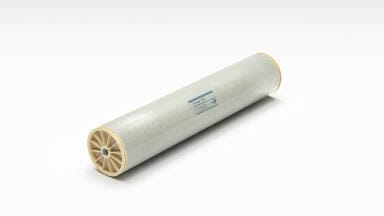
Impurities in laboratory water can adversely affect experimental results in many ways. As such, the water needs to be free of contaminants, which can include pyrogens, organic or ionic compounds, bacteria and nucleases. There are six major technologies that can be used to purify water of such inclusions: filtration; adsorption; ultraviolet radiation; distillation; reverse osmosis; and deionisation (see Table 1 for more information). Pure water systems use a combination of these technologies as different experimental processes require various levels of purity. As a result a wide range of systems are available to match these broad requirements.
ILM Guide 2026/27


 Product directory











.jpg)