Engineers create Antibacterial Stainless Steel
Materials scientists at the University of Birmingham have devised a way of making stainless steel surfaces resistant to bacteria in a project funded by the Engineering and Physical Sciences Research Council. By introducing silver or copper into the steel surface (rather than coating it on to the surface), the researchers have developed a technique that not only kills bacteria but is very hard and resistant to wear and tear during cleaning. Potentially beneficial to hospital environments, these bacteria resistant surfaces would also be of use to the food industry and in domestic kitchens.
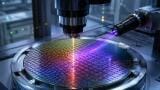
The team has developed a novel surface alloying technology using Active Screen Plasma (ASP) with a purpose designed composite or hybrid metal screen. The combined sputtering, back-deposition and diffusion allows the introduction of silver into a stainless steel surface, along with nitrogen and carbon. The silver acts as the bacteria killing agent and the nitrogen and carbon make the stainless steel much harder and durable. The researchers replicated the cleaning process for medical instruments in hospitals. After cleaning the treated instruments 120 times they found that the antibacterial properties of the stainless steel were still intact and the surface still resistant to wear

ILM Guide 2026/27


 Product directory