News
Published over 6 years ago. See the latest and most current information on News.
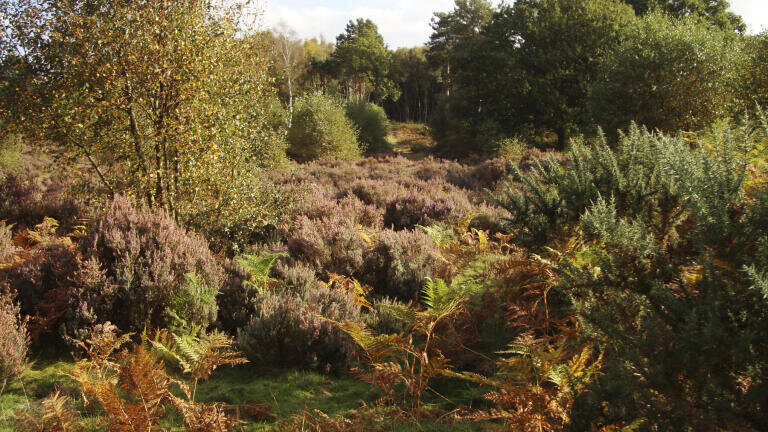
A survey(1) by the Royal Society for the Protection of Birds (RSPB), the UK’s largest nature conservation charity, has calculated that restoration of important habitats could help lock away14 million tonnes of CO2e per year, nearly a third our annual agricultural emissions. The UK is committed to net zero greenhouse gas emissions by 2050 under the 2008 Climate Change Act and all sectors need to reduce emission levels as well as removal of gases from the atmosphere.
Dr Rob Field, lead author of the study which focused largely on peatland and heath habitats said: "Currently our nature-rich lands are already doing an excellent job; they hold a massive store of around 0.5 Gigatonnes of carbon, around 30% of our land-based store on just 20% of its area, as well as capturing an additional 8.7 million tonnes CO2e every year. However, this store and processes are at risk because many of these important habitats are in poor condition, and two thirds lack any form of protection.”
The UK is committed to net zero greenhouse gas emissions by 2050 under the 2008 Climate Change Act; a degradation of peatlands by drainage, erosion and inappropriate management, were estimated to be releasing carbon at an alarming rate – with the loss of around 3 million tonnes CO2e a year.
Restoring both peatland and heath to a good condition will not only be beneficial for nature but will also increase priority habitat sequestration to around 14.6 million tonnes CO2e a year, equivalent to nearly 32% of the annual emissions from agriculture (45.6 million tonnes CO2e per year),
Dr Field added: "This is likely to be a conservative estimate, and if we were to consider the other nature-rich habitats, the figure is likely to be higher. This study shows the importance of looking after our natural places for nature and society, especially as we consider where funding should be allocated to achieve a low carbon future.”
More information online
(1) Published in Biological Conservation
ILM 51.6 Sept 2026


 Product directory


.jpg)
.jpg)



















.jpg)
