Sample preparation
Published over 3 years ago. See the latest and most current information on Sample preparation.
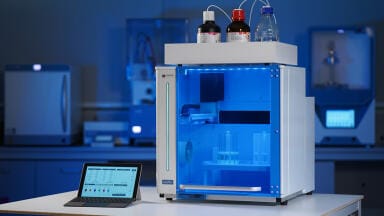
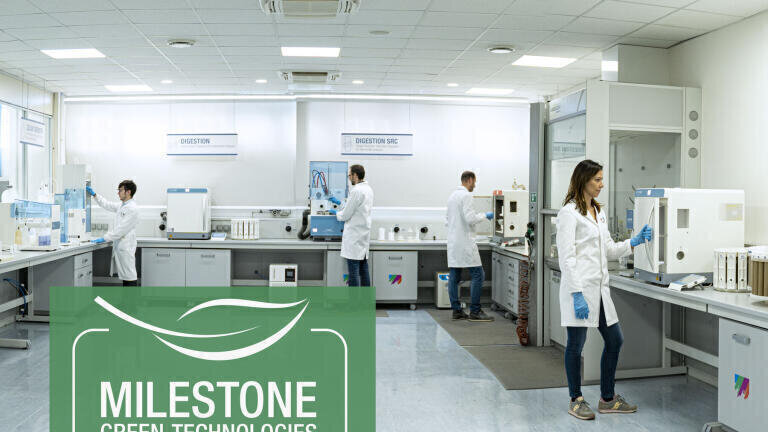
Applying the concepts of green chemistry and sustainability to routine analysis is a challenging endeavour. Sample preparation plays a central role as it involves the use of concentrated acid for atomic spectroscopy analysis and organic solvents for chromatographic analysis. For years, Milestone has been at the forefront of offering rugged and reliable approaches to making laboratories more sustainable. The company’s innovative instruments are designed to minimise the use of harmful chemicals, utilising lower volumes of reagents, and incorporating safer, greener alternatives for both the environment and chemists.
At the same time, Milestone technologies have successfully reduced waste generation in laboratories, helping their customers achieve significant environmental benefits.
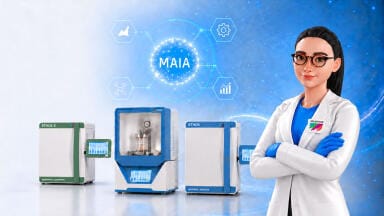
The enhanced performance of Milestone's microwave digestion systems for elemental analysis enables the use of a reduced volume of acid at a lower concentration, leading to lower acid volume, less dilution, and reduced waste. Furthermore, the acid purification system enables the re-purification of contaminated acid, further minimising waste.
The Direct Mercury Analyzer eliminates the need for sample preparation and the use of related chemistry, this instrument offers a greener pathway for mercury analysis, eliminating the risk of hazardous chemical exposure, enhancing both lab safety and environmental preservation.
Milestone’s microwave extraction technology is designed to use only a fraction of the volume typically required by other techniques, thereby reducing both the initial volume and waste production. By optimising reagent consumption, laboratories can efficiently analyse samples while being mindful of the environment.
In today's world, where environmental concerns are paramount, laboratories must rise to the occasion and embrace sustainable practices. Milestone is proud to provide technologies that reduce reagent consumption and waste generation, aligning with the principles of green chemistry.
ILM 51.6 Sept 2026



 Product directory