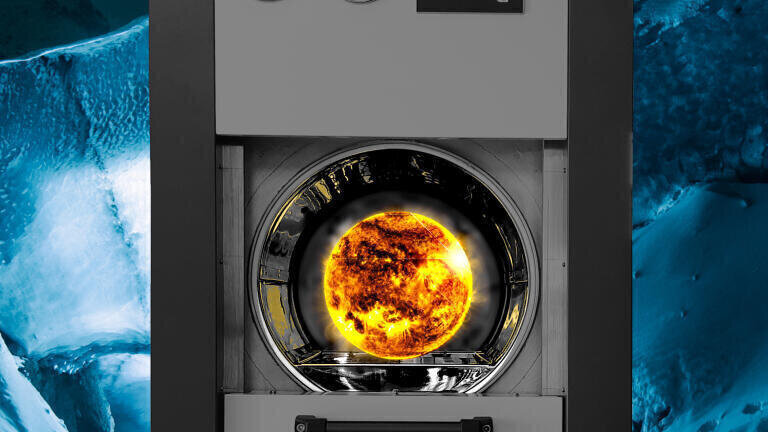
Temperature control and sterilising
Published over 2 years ago. See the latest and most current information on Temperature control and sterilising.
Start with the load: An autoclave at load capacity operates most efficiently. Calculate what needs autoclaving in a typical day before picking your autoclave.
Then, select a chamber: Cylindrical chambers distribute pressure evenly and heat quickly but may have unusable spaces. Cuboid chambers offer more usable space but need thicker walls.
Next, look at water volumes…: Find an autoclave that heats the smallest volume of water to generate steam, reducing energy consumption.
… And water heaters: More powerful heaters give faster water-to-steam conversion. This speeds up sterilisation, reducing energy loss.
Consider heating and cooling jacket: Jackets prevent cycle failures and use ambient water for cooling, saving energy.
Then look for energy-saving features: Look for autoclaves with intelligent sleep modes, optimal pump functionality, and low-power electronics to minimise energy waste.
Once you have your autoclave, ensure regular maintenance…: Regular servicing, calibration, and validation ensure the autoclave runs efficiently and maintains accurate temperatures.
…And effective scheduling: Develop timetables to ensure full loads. Run multiple cycles back-to-back using an autoclave with an Ecofill tank to conserve heat and shorten cycles, reducing energy use.
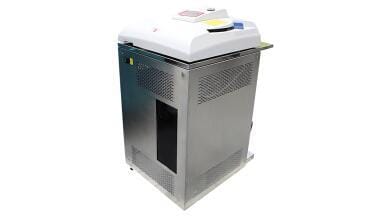
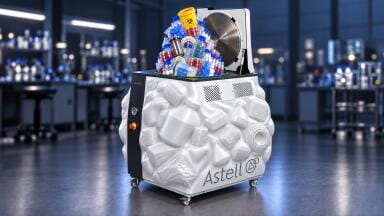
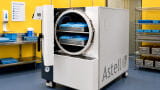
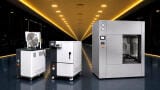
Astell produce a wide range of autoclaves with a variety of energy saving features and options, and are happy to help you find the most effective autoclave for your needs.
More information online
ILM 51.6 Sept 2026




 Product directory