Pipettes
Published over 15 years ago. See the latest and most current information on Pipettes.
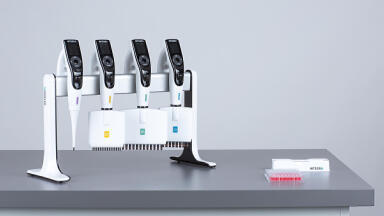
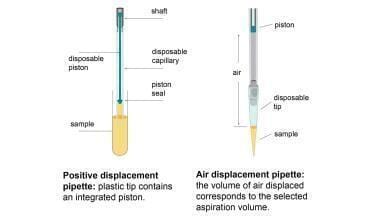
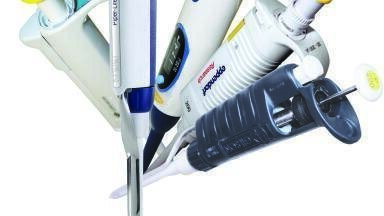
Liquid delivery is one of the most common processes in life science laboratories, from drug discovery and compound management laboratories to analytical chemistry and genomics/proteomics facilities. These laboratories use liquid delivery for processes including sample preparation, dilution, standards preparation and reagent addition. However, the means for delivering liquid samples have advanced drastically over time, from the traditional glass micropipette to today’s electronic, variable volume pipettes and automated liquid handlers. Liquid delivery processes are further complicated by a radical reduction in the average volumes handled.
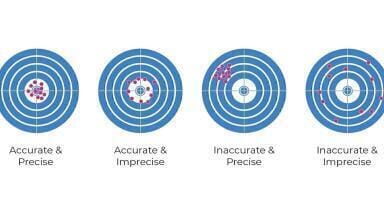
Combining these trends with the potentially significant consequences of liquid delivery error, such as non-compliance, wasted time and money, inefficient use of scarce samples and compounds, and false data, it is clear that liquid delivery can be a major source of risk. Processes must be put in place to monitor, manage and minimise this risk, making the need for liquid delivery quality assurance (LDQA) urgent.
ILM 51.6 Sept 2026





 Product directory











.jpg)