Columns
Published over 5 years ago. See the latest and most current information on Columns.
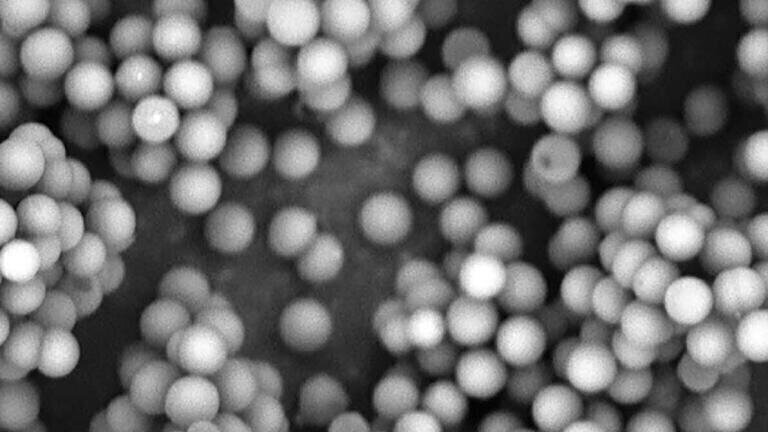
Porous graphitic carbon from Merck is a novel stationary phase and gives the chromatographer an additional chemistry option in the separation of challenging compounds, beyond the realm of conventional silica-based reversed phase chromatography. While in many respects, PGC may behave like a reversed-phase column, it also offers the advantages of enhanced temperature, solvent, and pH stability. Moreover, because of the unique properties of graphite, highly polar compounds (that may need HILIC or ion-exchange conditions) can be retained on a PGC column. Although its retention mechanisms are yet to be elucidated, it is clear that PGC has unique retentive properties towards polar compounds - especially planar molecules or analytes with double bond conjugation that can interact with the electron cloud of graphite. PGC is a unique stationary phase amongst more conventional HPLC stationary phases and further advancements in PGC particle design may result in even better resolving power for a wider range of compounds.
The key advantages of using PGC columns over silica particle-packed columns include:
ILM 51.6 Sept 2026




 Product directory


.jpg)