Laboratory products
Published over 4 years ago. See the latest and most current information on Laboratory products.
Distilled alcohol is otherwise known as ‘hard liquor’ or ‘spirits’.
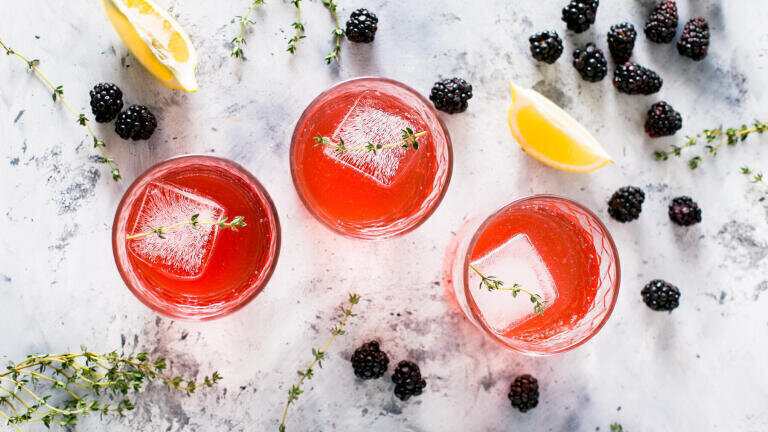
Classic spirits are often mixed with different flavours in order to reach new customers - thereby expanding a brand’s market share. One such spirit, gin, is distilled from juniper berries and contains no additives. However, raspberry and blackberry flavoured gin is also available. Such flavour additives often contain antioxidants and can affect the shelf life of the product. Using the Rancimat method with polyethylene glycol (PEG) as carrier material, the oxidation stability of flavoured and unflavoured gin can be determined quickly and reliably. The sample is analysed without any preparation, and the induction time can be related directly to the oxidation stability of the sample.
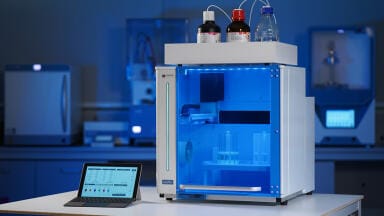
This Application Note from Metrohm demonstrates the feasibility of the Rancimat method. Reproducible and accurate determination of the oxidation stability of flavoured spirits is possible with the 892 Professional Rancimat.
Read more about the 892 Professional Rancimat and download the Application Note here.
ILM 51.6 Sept 2026



 Product directory