Sieves
Published over 5 years ago. See the latest and most current information on Sieves.
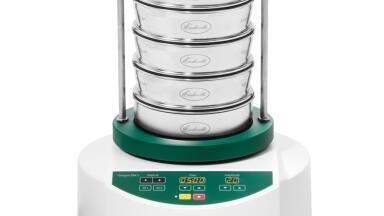
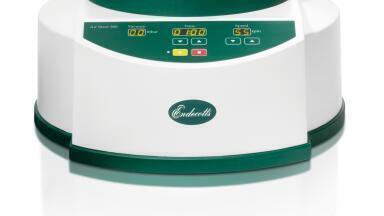
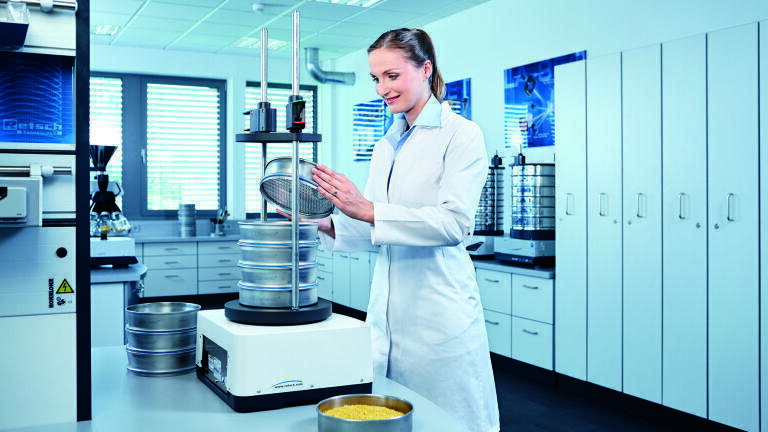
The determination and knowledge of the particle size distribution is an essential part of the quality control process for industrial products. From incoming and production control to research and development sieve analyses are used to determine a number of parameters or simply the particle size.
• solubility of drugs
• taste of chocolate
• solidity of concrete
Easy handling, low investment cost and high accuracy make sieve analysis one of the most frequently used procedures for measuring the particle size. A free white paper from Retsch gives an overview of the different sieving techniques and describes the necessary steps to ensure reliable results.
Download the free white paper ‘Different sieve analysis methods and their applications’ from the Retch website now.
More information online
ILM 51.6 Sept 2026



 Product directory