LC/GC
Published over 4 years ago. See the latest and most current information on LC/GC.
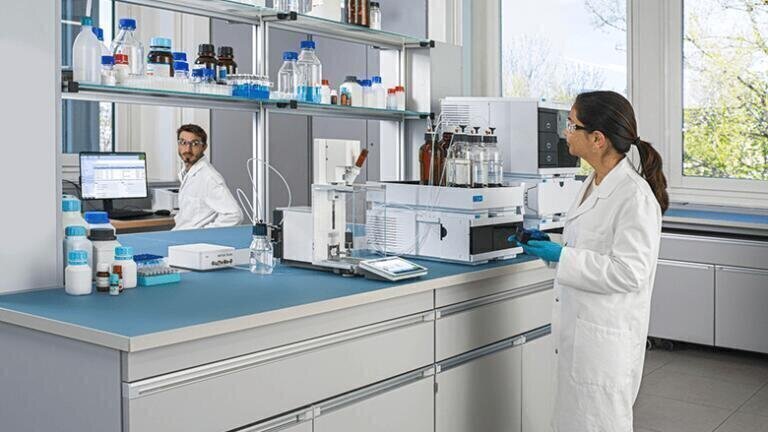
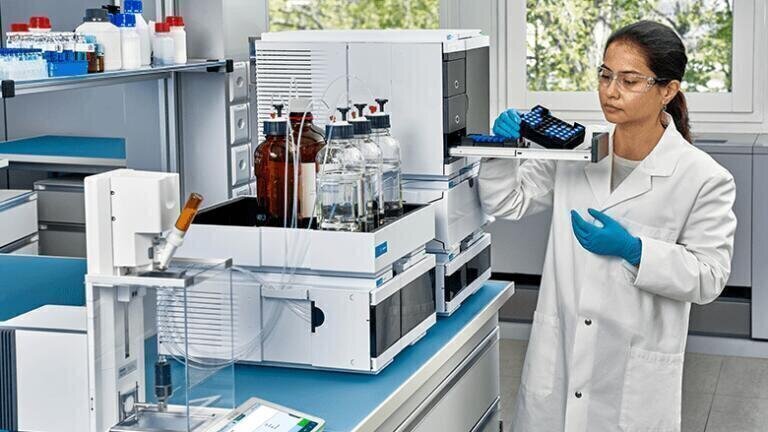
Agilent and METTLER TOLEDO have jointly developed an integrated workflow solution that addresses the most pressing root causes for laboratory failure investigations and rework, while supporting the current processes in the laboratory. This integrated solution allows the automatic and seamless transfer of weighing data and its metadata from the METTLER TOLEDO LabX Balance software to the Agilent OpenLab CDS, and also enables other productivity aspects. It significantly reduces potential errors, by avoiding the need for manual calculations or data transcription throughout the entire analytical workflow.
Today, many steps in sample preparation are executed manually. Weighing in of samples and standards still follows a traditional way of transferring substances into volumetric flasks on weighing paper, facing all the downsides of loss or contamination. Some dilution steps require sample to be stored in a chromatography accepted container format (typically a septum vial) for the sample to be placed into the instrument autosampler. Along the lines of sample handling, a parallel, additional process for data handling has to be executed. A significant amount of manual transcription is required for this process, and metadata and general lab information are often documented via paper lab journals. This is an error-prone and time-consuming procedure, which also requires a personnel-intense check in regulated laboratories, leading to drastically reduced lab productivity.
The integrated solution developed by Agilent and METTLER TOLEDO allows for the automatic and seamless transfer of weighing data and its metadata from the LabX Balance software to the OpenLab CDS. Gaining the highest reliability, user support, and productivity, this barcode workflow is beneficial. Every workflow step can be controlled by ID entry or barcode reading. The user is guided through the appropriate weighing process, and samples and/or standards are created with an optional barcode. Weighing information and metadata are transmitted directly from LabX to OpenLab with the corresponding sample ID. By reading the labeled container, OpenLab can send information about a single sample, or generate a sequence to launch the LC or GC analysis with one click. The workflow solution developed by Agilent and METTLER TOLEDO addresses major challenges of laboratories today, by automating weighing processes with METTLER TOLEDO balances, and providing automatic data management from LabX to OpenLab. Audit trails additionally provide seamless documentation of the entire workflow, compliant with 21 CFR part 11.
To learn more, contact your local Agilent sales representative or visit our website.
ILM 51.6 Sept 2026




 Product directory


















.jpg)