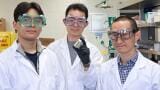
The discovery of a key cellular defect by laboratory researchers at the University of California, San Francisco (UCSF) could lead to better treatments for cancer patients.
UCSF scientists found that the flawed cells can disrupt protein production, which can make people more susceptible to contracting the disease.
However, the study team noted that these developments may have positive implications for individuals with cancers of the breast, brain or prostate among others.
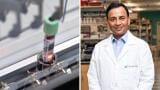
Assistant professor of urology at the UCSF Davide Ruggero said: "Our work has the potential to create real, tangible benefits for the medical community."
The research involved work on a substance called mTOR - which aids the manufacture of proteins - with tumour formation being a result of the body's sudden ability to control this process.
Lab workers at the Hashemite University in Jordan recently announced extreme heat as an effective treatment for the illness, with malignant and benign growths both vulnerable.






 Product directory