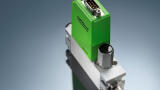
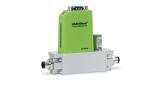
The leading supplier of microsensor solutions, Sensirion AG, announces 3rd--generation MEMS-based liquid flow sensors for microfluidic systems. The new sensors expand the company's existing line of liquid flow products.
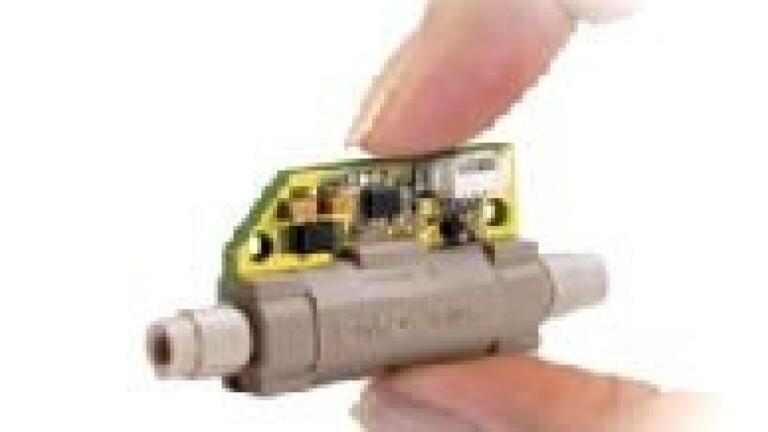
The low-cost OEM components are intended to be integrated into analytical instruments, medical devices and life-science applications. The high level of on-chip integration results in impressive reductions in cost, size and weight. The key feature of the 3rd-generation MEMS sensors is merging the sensor element with digital intelligence for linearization and temperature compensation on the same microchip. The devices enable media detection and accurate measurement of very low liquid flow rates (down to nanoliters per minute) with very short response times and outstanding repeatability. Liquid media are totally isolated by PEEK or fused silica (glass) channels, since the semiconductor sensor chip is mounted on the outside of flow path and senses through the wall of the channel (US Pat. 6813944). The largest model is designed for flow rates up to 3 ml/min. Response times in the millisecond range facilitate monitoring and controlling dynamic effects in microfluidic systems. The degree of miniaturization of the new devices is especially impressive the latest sensor technology reduces their weight to a mere 6 grams




 Product directory