
Laboratory products
Published over 3 years ago. See the latest and most current information on Laboratory products.
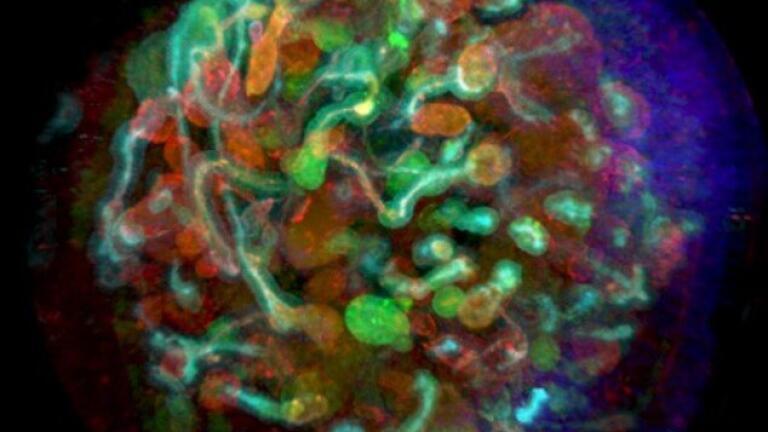
AMSBIO recently conducted an interview with Professor Ryuji Morizane, a distinguished expert in renal research at Harvard Medical School. Professor Morizane's groundbreaking research*, which combines organoid and bioengineering technology, has led to the development of kidney organoids that incorporate a vascular system.
To support this innovative work, Professor Morizane's research team employs StemFit®, a chemically-defined culture medium without human or animal-derived components, for the embryonic (ES) and induced pluripotent stem cells (iPSC) used in the research. Moreover, StemFit® is a feeder-free medium.
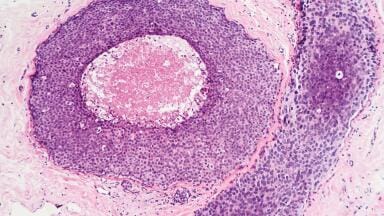
The kidney is an essential organ that constantly purifies the blood and regulates fluid balance in the body. Despite advanced 3D cell models, investigating renal function in vitro is challenging due to the kidney's intricate structure and vascular networks. The emergence of stem cell-based techniques for generating small cell-culture models of organs, known as "organoids," has significantly hastened kidney research. However, until recently, most organoids lacked vascularisation, which is crucial for proper renal function.
In discussion about his research - Professor Morizane commented: “There were many challenges we had to overcome to reliably produce vascularised renal organoids. In the past, we used to culture hPSCs with feeder cells, however frequent passaging and the removal process of feeder cells often lead to variations in cell quality. Using StemFit® culture medium, has allowed us to eliminate the use of feeder-culture, meaning we can produce a larger stock of iPSCs. This, combined with frequent checking of progenitor cell differentiation efficacy, has helped our researchers reduce batch-to-batch variation. Switching to StemFit® has also improved cell viability and growth, enabling us to improve gene-editing efficacy, and the production of more cells for experimentation.”
He added: ”Our renal organoid technology shows great promise for use in disease modelling and toxicity testing. In the future, I would like to focus on translational research such as drug screening using kidney organoids – and also consider clinical applications. Here the challenge is to produce high-quality cells used for transplantation. For these new applications it is necessary that we develop cost-efficient culture methods to produce iPSCs and the differentiation protocols of organoids.”
AMSBIO's StemFit® series of chemically-defined media, which are free of animal-derived components, have been demonstrated to effectively maintain induced pluripotent stem cells (iPSCs) and embryonic stem cells (ESCs) in feeder-free conditions throughout the stem cell culture reprogramming, expansion, and differentiation phases. StemFit® is available in both research and GMP grade formulations, and is the market leader in colony-forming efficiency, with lower media volume consumption compared to leading competitors, resulting in the most cost-effective colony expansion. StemFit® is a component of AMSBIO's Stem Cell Synergy Solution product line for streamlining and improving ES/iPS Cell Culture efficiency, from basic research to clinical applications.
More information online
*Professor Morizane’s research was selected for the NIH Director's New Innovator Award in 2019.
ILM 51.6 Sept 2026




 Product directory