Laboratory products
Published over 2 years ago. See the latest and most current information on Laboratory products.
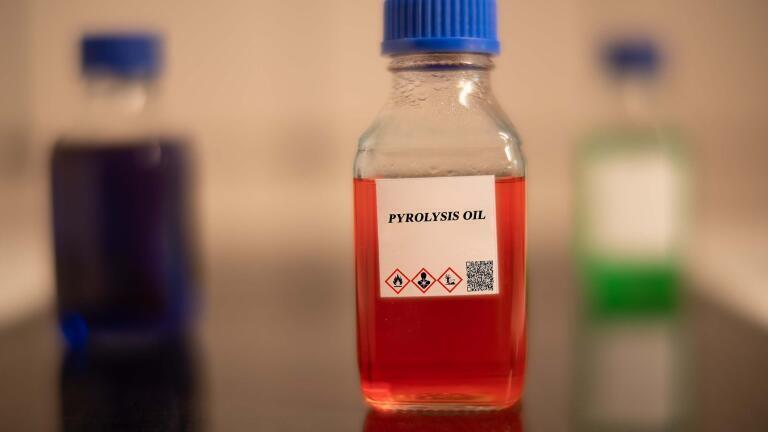
As the global production of polymers continues to rise, the demand to recycle plastic waste has increased. Alongside traditional mechanical recycling, petrochemical companies are investing in chemical recycling technologies. Methods such as methanolysis and hydrolysis can be used to recycle PET and nylon however polyolefins such as polyethylene and polypropylene resist this type of depolymerisation due to strong carbon-carbon bonds. For these plastics, pyrolysis as a method of chemical recycling is preferred.
Although the operation may seem simple: apply elevated temperatures in an inert atmosphere to break down plastics into smaller molecules, different polyolefins decompose at different temperatures that ultimately affects the nature and quality of the resulting pyrolysis oil. Additionally, unwanted plastics such as PET and PVC, can yield oxygenated and chlorinated compounds that contaminate the output so this needs to be analysed in order to adjust the pyrolysis conditions.
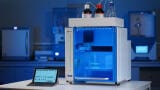
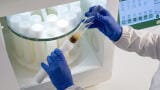
A new CDS application note from Analytix describes the analysis of two pyrolysis oil outputs using the CDS series 6000 pyrolyser. The oils could not be analysed using traditional GC methods where certain fractions of the oil output would be too heavy and non-volatile and would remain in the GC injection port. The method uses evolved gas analysis (EGA) coupled with multi-step-pyrolysis (MSP). The EGA provides valuable data that can be used for temperature selection in MSP that enables analysis of the complete oil.
For a free copy of the application note please contact Analytix.
More information online
ILM 51.6 Sept 2026



 Product directory