Showing 1 to 12 of 484 results
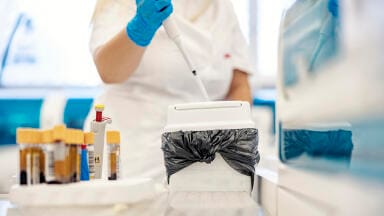
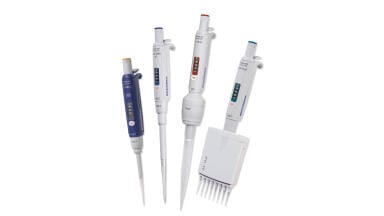
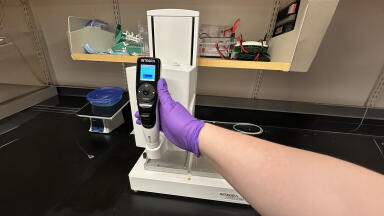
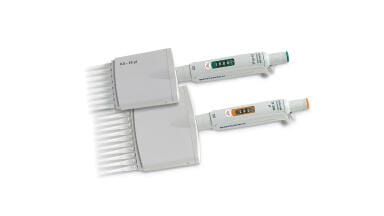
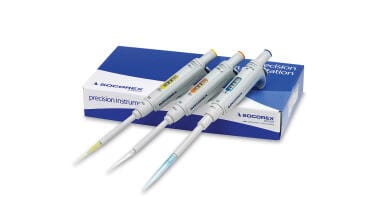
A pipette is a vital laboratory instrument used for precise and accurate liquid handling. It consists of a slender, cylindrical tube with a tapered orifice at one end and a mechanism for drawing and dispensing fluids at the other. The most common types of pipettes are the manual pipettes and the more advanced electronic pipettes.
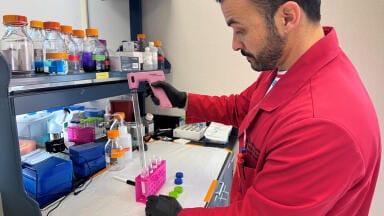
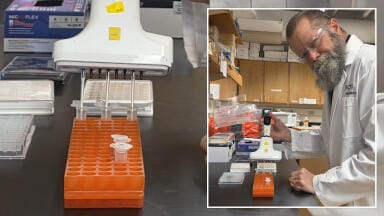
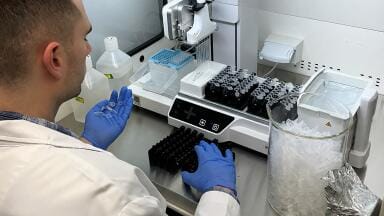
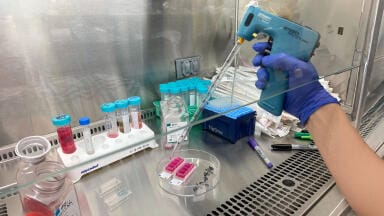
Pipettes serve multiple functions in the lab. Their primary purpose is to measure and transfer small volumes of liquids with high precision. They enable scientists to carefully dispense reagents, samples, or solutions into various vessels such as test tubes, microplates, or cuvettes. This precision is crucial in experiments where even slight variations in volume can significantly impact results.
Moreover, pipettes aid in the creation of dilutions, mixtures, and standards, ensuring accurate and reproducible concentrations. They are essential in various scientific fields, including biology, chemistry, molecular biology, and clinical diagnostics. Pipettes allow researchers to perform tasks such as cell culture, DNA amplification, sample preparation, and drug discovery.
Overall, pipettes play a fundamental role in the laboratory by facilitating controlled liquid transfer, ensuring accuracy in experiments, and contributing to the reliability and reproducibility of scientific investigations.
Lab Asia 33.4 - August 2026


 Product directory