
Mass spectrometry & spectroscopy
Published over 6 years ago. See the latest and most current information on Mass spectrometry & spectroscopy.
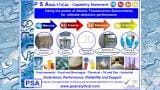
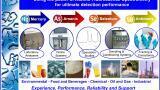
The consumption of food and drink is one of the main sources of exposure to toxic metals. Selenium, on the other hand, is an essential nutritional element and is often added as a supplement to food for health benefits. It is also an important element in animal feed to ensure livestock wellbeing. Coupling Atomic Fluorescence Spectrometry (AFS) with either cold vapour generation or hydride generation has been PSA’s core competency for over 35 years. With the addition of analyte separation capabilities which allows for speciation studies, PSA offers powerful analytical tools to help contract laboratories, food and feed producers and regulators alike with these determinations. Food security has never been more important. PSA systems offer ultimate detection performance, combined with ease of use and affordability.
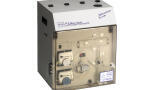
Employing Atomic Fluorescence Spectroscopy as the means of detection the PSA analysers provide ultimate detection performance. With literally thousands of systems in the field today, and support networks in Europe, USA and SE Asia, PSA offers the ideal package of performance, reliability and support.
More information online
ILM 51.6 Sept 2026


 Product directory


.jpg)
.jpg)














.jpg)
