Infrared
Published over 3 years ago. See the latest and most current information on Infrared.
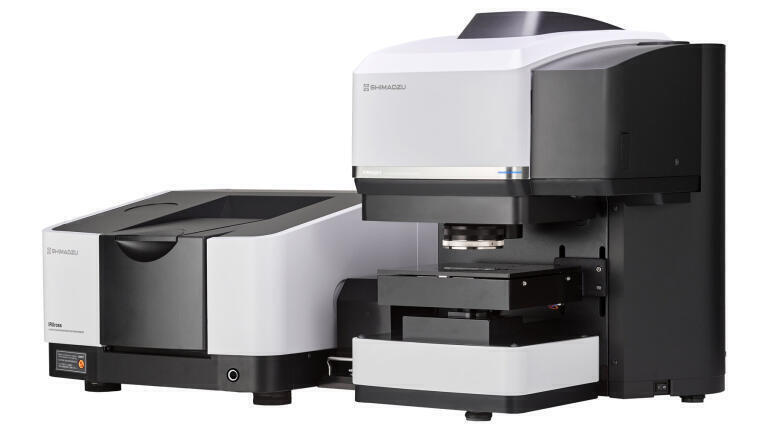
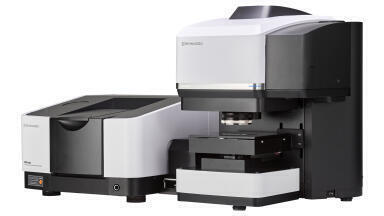
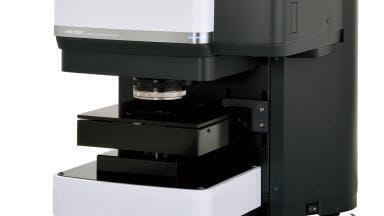
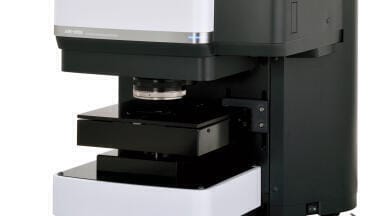
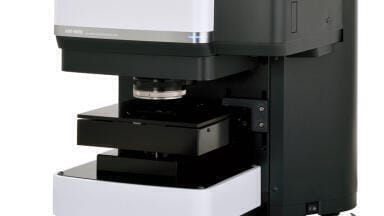
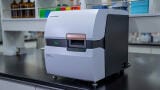
Shimadzu introduces AIMsight, an advanced infrared microscope. AIMsight takes the exceptional sensitivity of Shimadzu's AIM-9000 to the next level with enhanced automation capabilities. Designed for industrial applications in various sectors, AIMsight simplifies complex micro-measurements, making defect analysis more efficient and environmentally friendly.
When connected to a Fourier-transform infrared (FTIR) spectrophotometer, AIMsight, enables micro-region measurements using infrared light reflection and transmission. This is crucial for analysing and identifying micro-contaminants, such as those on pharmaceutical pills, electronic circuit boards, and microplastics.
With the release of AIMsight, Shimadzu caters to the increasing demand for highly sensitive instruments capable of quick, error-free measurements of smaller targets. Its automated features include determining measurement ranges via a wide-field camera, automatic identification of measurement targets, and a contaminant analysis program for automatic analysis.
AIMsight incorporates the T2SL (type-II superlattice) detector, an eco-friendly alternative to traditional mercury or cadmium-based detectors. This quantum infrared detector aligns with the European RoHS Directive, making AIMsight an environmentally responsible choice. The microscope is particularly valuable for researching microplastics, contributing to various fields, including chemistry, electronics, machinery, and transportation.
AIMsight enhances site searches through its dual optical systems, allowing variable digital zooming for precise observation target tracking. With an impressive signal-to-noise ratio (S/N ratio) of 30,000:1, AIMsight excels in sensitivity, particularly for micro-measurements. Furthermore, it incorporates an automatic contaminant analysis program, delivering high-accuracy results and qualitative insights in a matter of seconds.
Shimadzu continually addresses industry challenges, from environmental concerns to automation needs, exemplified by AIMsight's introduction.
More information online
ILM 51.6 Sept 2026


 Product directory


.jpg)
.jpg)













.jpg)
