News
Published over 13 years ago. See the latest and most current information on News.
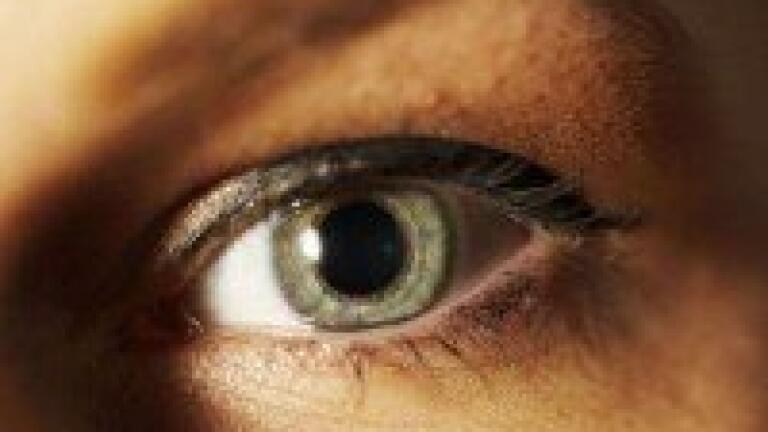
Particular cells have been discovered in the eye which may lead to a new treatment and a potential cure of blinding eye conditions.
These cells, named corneal limbal stromal cells, were found on the front surface of the eye and they have stem cell properties that may be cultured to produce retinal cells, according to a new study from the University of Southampton.
Found by a team of eye experts and scientists and led by professor Andrew Lotery, this new discovery could treat a range of eye debilitating illnesses.
These might include retinitis pigmentosa or wet age-related macular degeneration. The latter illness will affect one in three people in the UK by the age of 70 and is a very common cause of vision loss in older people.
Another benefit to utilising corneal limbus cells is that because the cells originate from the individual patient, there is a much lower risk of complications related to contamination or rejection of the cells, as these would be returned to the same patient.
"This is an important step for our research into the prevention and treatment of eye conditions and blindness," stated professor Lotery, who is also a consultant ophthalmologist at Southampton General Hospital.
After characterising the corneal limbal stromal cells discovered on the front of the eye, the experts were then able to identify the exact layer in the cornea that they came from.
The team then succeeded in culturing these cells in a dish to take on a few of the properties of retinal cells.
Currently the researchers are examining whether they are able to substitute diseased cells in the back of the eye in the retina, with these new cultured cells from the front of the eye.
"If successful this would open up new and efficient ways of treating people who have blinding eye conditions," explained the professor.
The research was published in the British Journal of Ophthalmology.
Posted by Fiona Griffiths
ILM 51.6 Sept 2026



 Product directory

















.jpg)
,-photo-Karin-Allander.jpg)