News
Published over 12 years ago. See the latest and most current information on News.
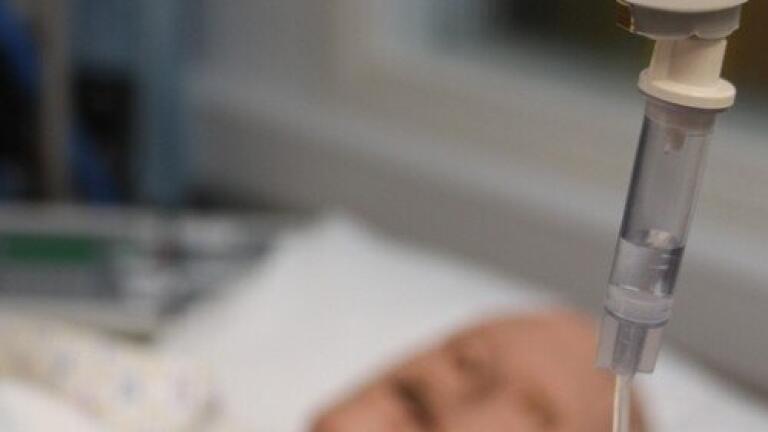
'Suspended animation' is set to be used in human trials in an attempt to save the lives of gunshot and stabbing victims. A total of ten patients will be involved in the study, which could allow doctors more time to perform life-saving procedures.
Victims that have a gunshot or knife wound will have their body temperatures dramatically cooled before being placed into suspended animation. The technique offers a groundbreaking method for emergency services and could help to provide a higher rate of survivals.
The trial will be taking place at the University Pierre and Marie Curie Presbyterian Hospital in Pittsburgh, US. Surgeons at the hospital have been placed on call in order to perform the procedure in an emergency situation, allowing for more time to deal with lethal injuries.
Patients will have all of their blood replaced with cold saline, cooling their body incredibly quickly and ceasing most cellular activity. According to Dr Peter Rhee, surgeon at the University of Arizona in Tucson, this means that if someone is dying from a knife or gunshot wound they could effectively be 'frozen' and then brought back once the damage has been repaired.
Induced hypothermia has been used in medical procedures for years, as cells within the body need less oxygen when their temperature is lowered. This means that a person can survive for longer periods of time without suffering from devastating brain damage. The method is sometimes used by surgeons performing brain and heart operations in order to stop blood flow. However, the process takes time to do and must be carefully planned.
Taking a different approach, emergency victims will be cooled at a faster rate in order to reduce the chances of the patient dying before repairs are made. Once structural damage has been fixed, the patients will be slowly warmed up in order to resuscitate them without causing cell damage from sudden bursts of oxygen, which can cause fatal reperfusion injuries.
ILM 51.6 Sept 2026

 Product directory






.jpg)
,-photo-Karin-Allander.jpg)


.jpg)