New scientific research has finally provided answers to a debate into the beginnings of retinoblastoma, as well as identifying possible new treatments for the disease.
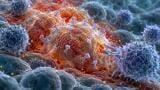
Retinoblastoma is a rare, cancerous tumour which affects the retina, with the cancer generally seen in children under the age of six, around half of whose families have no history of eye cancer.
Scientists led by St. Jude Children's Research Hospital found that the development pattern of the tumours are jumbled and come from pathways that are normally incompatible.
They looked at 52 tumours donated by patients, as well as human tumours transplanted and growing in the eyes of mice.
This study found the tumour takes over at least one pathway to fuel its own growth, making it a promising drug development target.
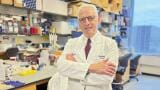
"The finding that normal developmental programmes are completely deregulated in this tumour is surprising and unexpected. It could also have therapeutic implication," said Dr Michael Dyer, a member of the St. Jude Department of Developmental Neurobiology and the study's senior author.





 Product directory