News
Published over 5 years ago. See the latest and most current information on News.
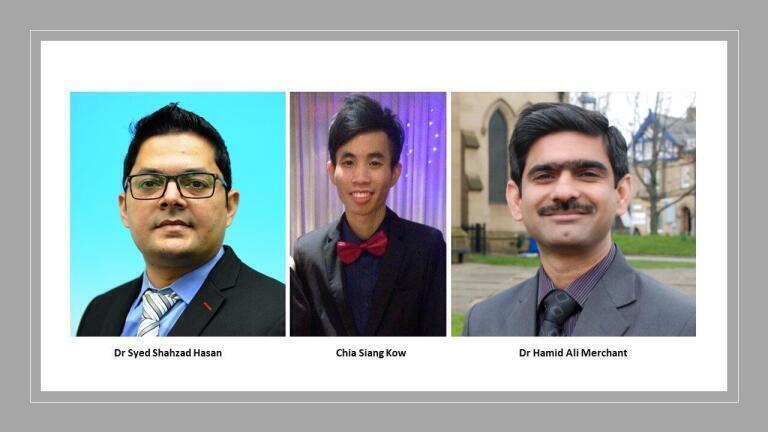
Responding to the unprecedented challenge of COVID-19, Dr Syed Shahzad Hasan, senior research fellow in the Department of Pharmacy at the University of Huddersfield, in collaboration with colleagues at the University and from around the world have, since March, published over 50 articles on various aspects to dealing with the pandemic, including the safe use of medications.
“Our research team was among the first to synthesise the evidence on the use of proton pump inhibitors (1) and statins in COVID-19 patients(2),” said Dr Hasan. “These were the first to report on the safety and effectiveness of these medications in COVID-19 and were widely covered by the leading medical news outlets,” (at the time). “The idea was to generate evidence and share with a range of front-line healthcare professionals like clinicians who needed help with the evidence-based information to deal with the medical emergency. We provided them with up-to-date evidence-based information on a regular basis by publishing in peer-reviewed scientific journals. We are very pleased that these publications were already read by thousands and we had received a significant number of inquiries and comments from all over the world,” added Dr Hasan.
In another study(3) Dr Hasan, alongside the University’s Dr Hamid Merchant, found that using steroids with severely ill COVID-19 patients could have saved lives early in the pandemic. They assessed the results of using corticosteroids such as dexamethasone on hospitalised COVID-19 patients with acute respiratory distress syndrome (ARDS) who were on respiratory support.
“In this era of information technology and ever-growing social media, the speed at which the information was travelling was no less than the pandemic itself. It can be very dangerous when incorrect information can spread at this speed. An urgent response was needed to tackle the health misinformation, misinterpretation or oversimplification of research that was happening at a breakneck speed during the pandemic,” said Dr Merchant. “We are pleased that we were able to respond and contribute to the evidence-based practice during unprecedented times amid the COVID-19 pandemic – the largest healthcare emergency the modern world has ever seen.”
Other significant contributions include the development of evidence-based practical guides on the use of antidiabetic drugs in hospitalised COVID-19 patients, the use of cardiovascular drugs in COVID-19 patients, management of co-medications in COVID-19 patients with atrial fibrillation and the use of anticoagulants in COVID-19 patients.
1) Journal of Internal Medicine
(2) American Journal of Cardiology
(3) Expert Review of Respiratory Medicine.
ILM 51.6 Sept 2026



 Product directory


.jpg)
.jpg)