The Best Way to Monitor Mercury

The Best Way to Monitor Mercury

Watch Now

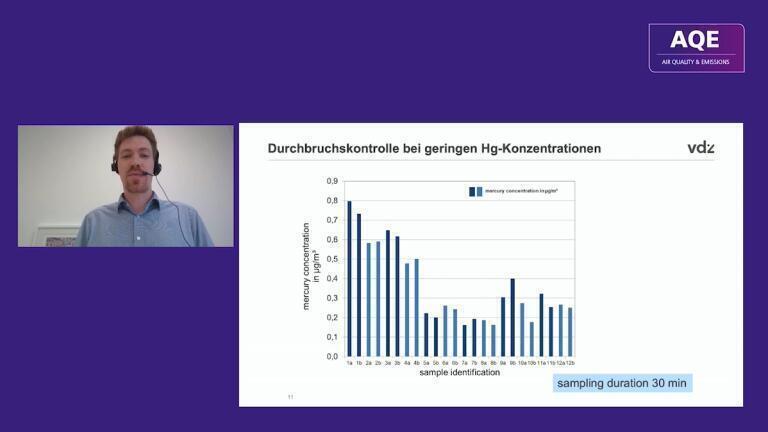
At our recent Air Quality and Emissions event, Dr. Johannes Pfingsten of VDZ gave a 10-minute presentation comparing methods for the monitoring of mercury emissions.  

Dr. Pfingsten discusses:

  • The advantages and disadvantages of the prevailing reference method, EN13211
  • Different methods for reducing the limit of quantification
  • Prospects for the wider utilisation of sorbent-trap methods
  • Controlling breakthrough at different concentrations

More on the speakers

Author headshot

Dr. Johannes Pfingsten

VDZ

Dr. Johannes Pfingsten is responsible for trace element analysis at VDZ. Besides the supervision of emissions projects, Dr. Pfingsten works on the validation of new methods, most recently of CEN/TS 17286 for accreditation.

More on the moderators

Author headshot

Dr. Lesley Sloss

International Centre for Sustainable Carbon

Dr. Lesley Sloss is very active in the outreach work of the International Centre for Sustainable Carbon and runs a workshop on mercury and multi-pollutant emissions from coal. Dr. Sloss acts as Lead on the United Nations Environment Programme's Coal Partnership Area providing guidance to the delegations on the implementation of the new Minamata Convention on Mercury.

ILM 51.6 Sept 2026

Explore our Digital Edition

Discover the latest news and research

Digital edition

Explore Our Other Sites

Envirotech Online
New 10‑metre satellite mapping sharpens monitoring of urban wetlands
Explore more Arrow
Pollution Solutions Online
Smarter wastewater management helps futureproof distillery operations and protect local watercourses
Explore more Arrow
Petro Online
Improving repeatability in diesel fuel lubricity testing
Explore more Arrow
Chromatography Today
Dr. Anupam Giri joins Chromatography Today as consultant editor to strengthen its technical expertise
Explore more Arrow