

Gas chromatography
Ellutia has launched a mail-in ATNC (Apparent Total Nitrosamine Content) testing service, giving cosmetics, pharmaceutical, and materials manufacturers a way to screen for total nitrosamine content without buying testing equipment of their own. Manufacturers send a sample, Ellutia runs the analysis, and a single result comes back within 7 days.
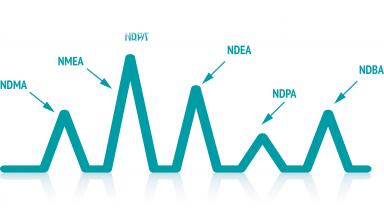
ATNC is a recognised screening method for total nitrosamine content, used across industries wherever nitrosamine formation needs to be assessed. The method works by heating the sample to release nitric oxide from any nitrosamines present, then measuring that gas with a nitrogen-selective detector. Every nitrosamine in the sample contributes to the signal, so the method gives a single result covering the group as a whole. That figure includes compounds a manufacturer has not tested for specifically, so it catches unexpected nitrosamine formation that targeted, compound-by-compound methods can miss. For a quality team, one screening result answers the first question that matters: is nitrosamine formation happening at all, and does this sample need further investigation.
The regulatory pressure behind that question is rising. Cosmetics manufacturers work to a 50 µg/kg limit under EU Cosmetics Regulation (EC) 1223/2009, where nitrosamines can form during storage or through interactions between ingredients rather than being present in the raw materials. Pharmaceutical manufacturers use the same screening approach ahead of targeted analysis under ICH M7, following a run of nitrosamine recalls that began with valsartan in 2018 and widened across the sartan class, ranitidine, and metformin. In both sectors, a total screen is the sensible first step. It shows where formation is occurring before a laboratory commits time and cost to speciated analysis.
The new service suits manufacturers who need this reassurance but do not have the sample volume to justify a screening instrument of their own. Customers send a sample and Ellutia runs it in-house on the TEA, the detector technology built for nitrosamine detection and already used by pharmaceutical and cosmetics manufacturers worldwide. Results, a single ppb-level value covering total nitrosamine content, are typically available within 7 days of the sample arriving. The process is deliberately simple: request a quote, send the sample once it is agreed, and receive the result shortly after it reaches the laboratory. There is no instrument to buy, no method to validate, and no in-house expertise required, whether the need is a one-off investigation, a supplier check, or periodic monitoring.
Ellutia has worked with the ATNC method across pharmaceutical, cosmetics, and industrial testing for decades. The same technology and method apply whether a customer owns the instrument or sends a sample in for screening, so results stay consistent regardless of route. A customer might use that figure to sign off a batch or to raise a query with a supplier, so it needs to mean the same thing whichever route produced it.
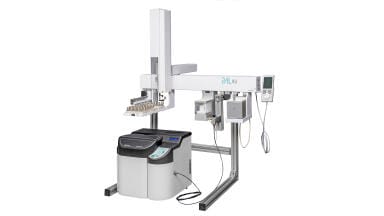
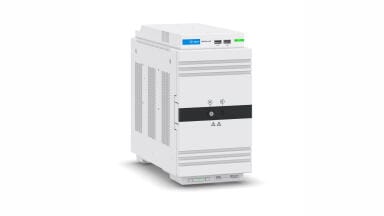
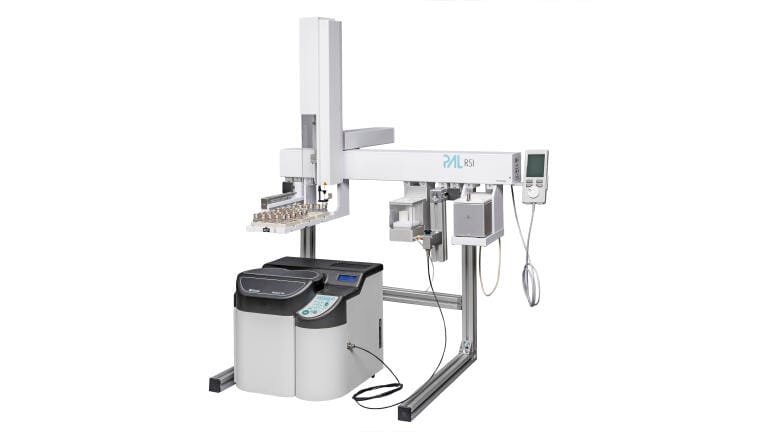
For manufacturers weighing the service against bringing testing in-house, the ATNA (Automated Total Nitrosamine Analyser) automates the same method for high-volume, routine screening and remains available as a standalone instrument. The ATNA detects total nitrosamines below 1 ppb, processes up to 10 samples per hour, holds 120 headspace vials for unattended overnight runs, and fits on a standard laboratory bench. Both routes use the same underlying technology. The difference is simply where the testing happens and at what volume it makes sense. For samples where nitrite and nitrate content complicates interpretation, Ellutia has also developed a confirmatory method that isolates a nitrosamine-only figure for certain sample types.
Nitrosamine risk is not limited to cosmetics and pharmaceuticals. Rubber and elastomer products, including items such as baby teats and soothers, food ingredients such as malt, and other industrial materials all carry their own nitrosamine considerations. The mail-in service gives manufacturers in these sectors the same screening route without the overhead of establishing testing in-house, which is often hard to justify when nitrosamine testing is an occasional check rather than a daily requirement.
Because pricing depends on the sample and the preparation it needs, Ellutia quotes each request individually rather than at a flat rate, and there is no cost or commitment to asking. Manufacturers who want to understand the wider testing picture first can consult Ellutia's Nitrosamine Analysis Buyers Guide, which sets out the available analytical approaches, including when total screening is appropriate and when targeted, compound-specific testing is needed.
Request an ATNC testing quote to discuss a sample.
More information online
ILM 51.6 Sept 2026



 Product directory