.jpg)
.jpg)
Gas chromatography
Helium has been back in the headlines this year due to the ongoing conflict in the Middle East. With shortages hitting labs for the fifth time in the span of a decade, many are starting to look for a simpler solution.
Given how crucial helium is to many industries, this is obviously very concerning. With many labs seeing demand increase, the reduction in the availability of helium could be even more problematic considering labs are needing more helium than before, not less.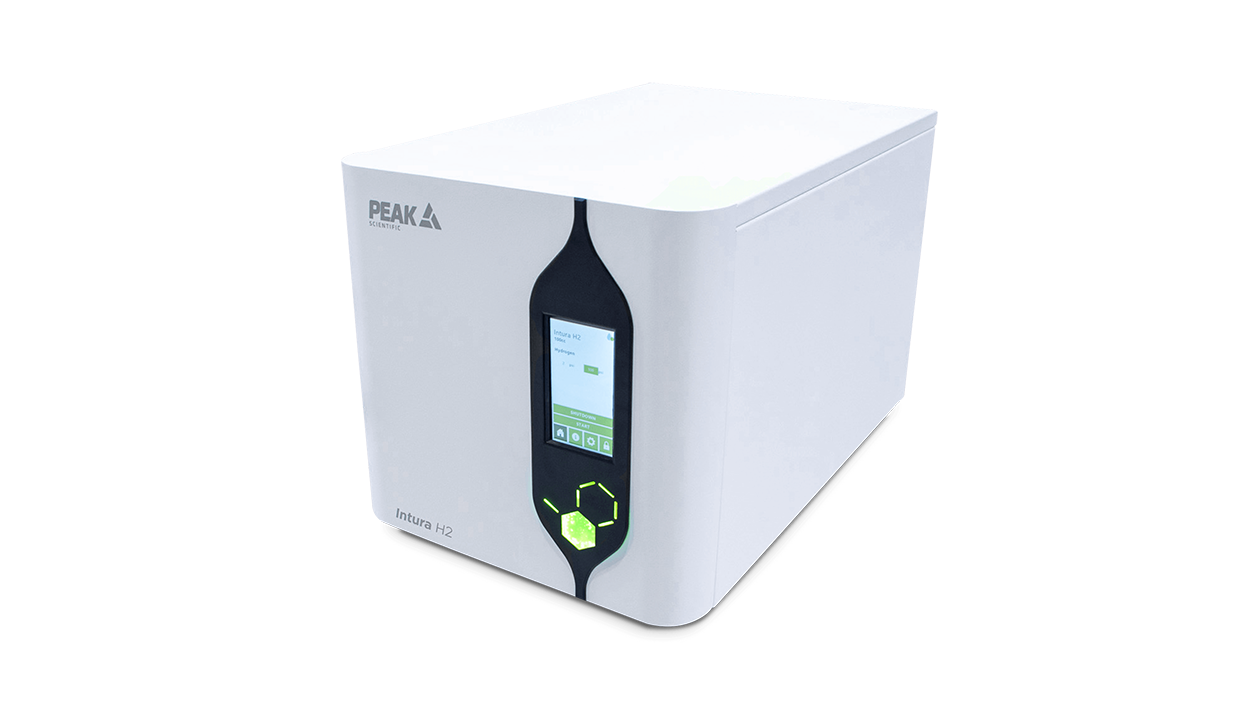 One of the biggest differences between this helium shortage and previous shortages, is that many labs simply found that the price they were paying for their helium was considerably higher. Some labs were on allocation, but mostly labs were paying a higher price for the same amount of helium.
Today, unlike previous shortages, labs are seeing themselves cut off from any supply of helium at all.
With no supply of helium, this renders equipment completely useless in most cases. For those labs who have been lucky enough to maintain a source of helium, they are receiving a fraction of the volume at prices that have spiked by 40–100 per cent.
It has been reported that helium is set to see a major global shift in production in the next few years.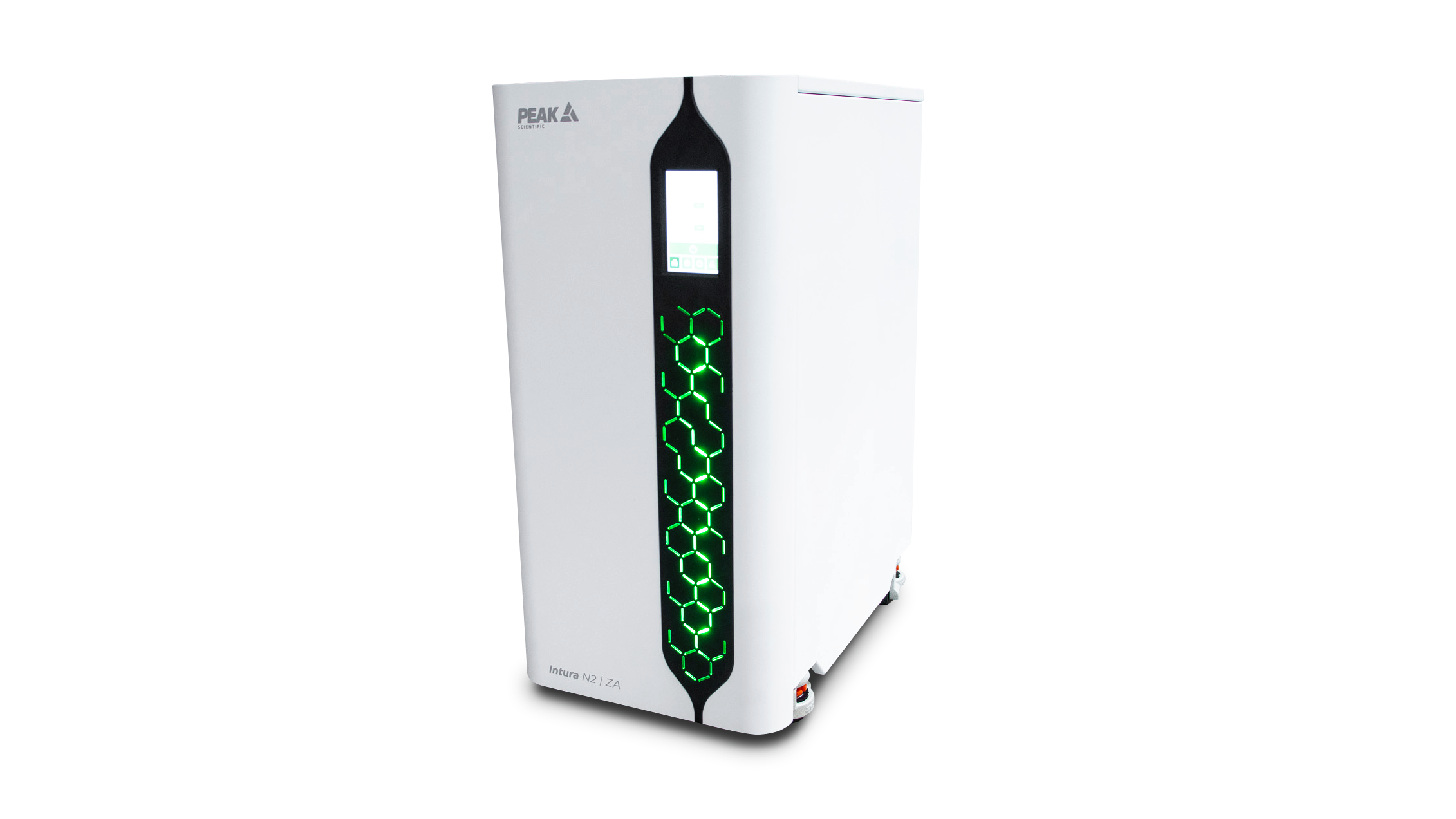 North America, as of 2021, was responsible for 51 per cent of helium production and, by 2025, that had reduced to 42.6 per cent. With a reduction in the share of global helium production, and frequent issues in the helium landscape, it appears that North America could soon be more reliant on sourcing helium from overseas markets – bringing with it the issues of supply chain disruption which have been rife in the recent past.
Qatar has maintained their production levels of roughly 33–34 per cent, however this is where the ongoing conflict is hitting the market. With the south site at Ras Laffans taking most of the damage, the site has seen a reduction of a third of their production capability which will take years to recover.
With such a large player in the helium market expected to considerably reduce their share with no definite date for getting back online, labs are rightly starting to wonder where their helium will come from in the future.
The only way your lab can navigate through supply shortages is to no longer rely on helium.
By looking at alternatives to helium for your GC, you will be able to sustain your lab activity while others are scrambling to source a fraction of the gas needed while paying inflated prices for the pleasure.
Switching to hydrogen or nitrogen for GC carrier gas is becoming a much more common occurrence in the face of these shortages.
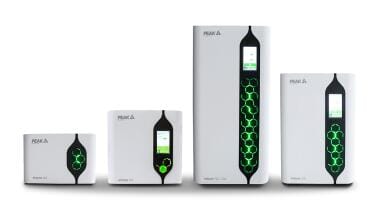
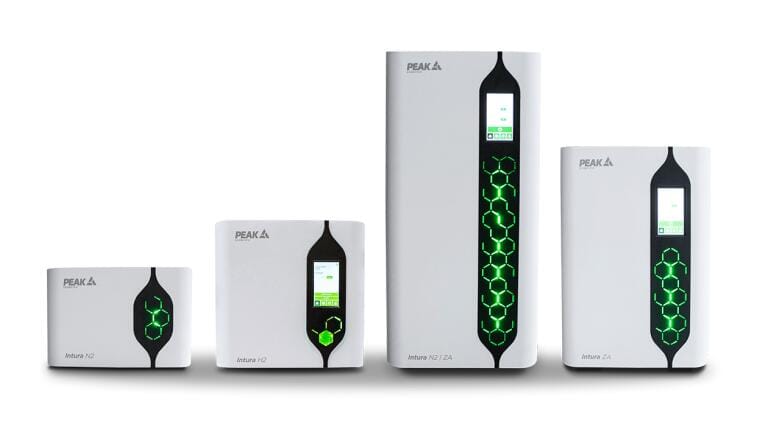
PEAK Scientific have a range of gas generators which are designed, specifically, with GC in mind. The Intura range is a safe and practical way to supply hydrogen and nitrogen gas to your laboratory.
PEAK’s Intura Hydrogen generator is designed to provide the gas needed for detectors requiring hydrogen gas, such as FID and FPD as well as collision gas for ICP-MS.
PEAK’s Intura Nitrogen has been developed to provide a constant and consistent source of nitrogen for detector and make-up gas.
With labs having to seriously consider the helium situation constantly disrupting their workflow, GC instrument manufacturers are starting to release instruments that can be supplied specifically by hydrogen and nitrogen rather than having to solely rely on helium for all their analysis.
Alongside this, many instrument manufacturers are increasingly recommending hydrogen as a carrier gas instead of helium – ultimately allowing labs to continue their analysis with no concern over gas shortages.
Take control of your gas supply with an Intura generator from PEAK Scientific.
ILM 51.6 Sept 2026


 Product directory


.jpg)
.jpg)