News
A workflow detected fungal species in clinical blood-culture samples in about seven hours, before conventional systems flagged the cultures as positive
A sequencing workflow identified fungal pathogens in blood-culture samples in about seven hours. The method could provide clinicians with species-level results before conventional culture systems signal a positive result, although the method requires further validation.
Fungal bloodstream infections can be life-threatening and different species may respond differently to antifungal medicines. Conventional diagnosis depends on microorganisms growing to detectable levels in blood cultures, followed by identification tests that can take several days to process.
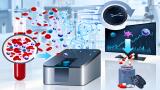
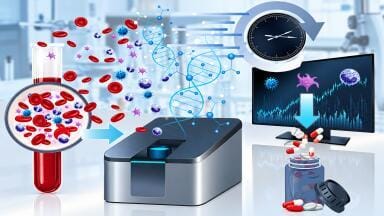
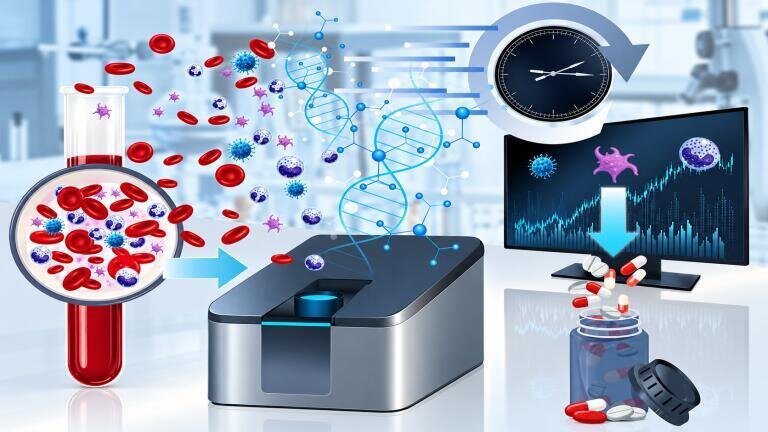
A team led by Professor Hiroki Takahashi at Chiba University, Chiba, Japan, tested samples while they were still incubating. First, the researchers broke down human cells and used benzonase to reduce human DNA without degrading fungal or bacterial DNA. They then amplified genetic material from across the genome and sequenced it with a portable nanopore device, which reads DNA as the run proceeds. The sequences were compared with a reference database of pathogens associated with bloodstream infections.
In 48 clinical samples representing eight fungal species, the workflow identified species in approximately seven hours. It detected Candida albicans, Nakaseomyces glabratus, Candida parapsilosis, Candida tropicalis and Cryptococcus neoformans, as well as some mixed infections involving fungi or both fungi and bacteria. Because the process captures genome-wide data, it may also reveal variants in genes linked to drug resistance.
“Our method may enable clinicians to initiate appropriate antifungal treatment earlier,” said Takahashi, who led the study. The researchers said they must refine the timing of sample collection and improve detection where bacterial growth masks fungal signals. Larger studies will be needed to assess whether earlier identification improves patient care.
The samples represented infections caused by eight fungal species, including several Candida species and Cryptococcus neoformans. The workflow also identified mixed infections in some samples, including samples containing two fungi or a combination of fungal and bacterial pathogens. Conventional blood culture remains important, but slow growth can delay an organism-specific result while clinicians decide whether to use broad antifungal treatment.
The method’s early sampling step is central to the proposed time saving: it takes material from an incubating culture before the automated system reports growth. Selective depletion of human DNA increases the relative amount of microbial genetic material available for sequencing. Whole-genome amplification then produces enough material for the nanopore device, whose real-time output allows analysis to begin before a complete sequencing run ends.
Genome-wide sequencing may provide information beyond species identity, including genetic variants associated with antifungal resistance. The current study involved 48 clinical samples, however, and further work must establish the best sampling time and the method’s accuracy in larger, varied patient groups. Heavy bacterial growth can obscure fungal signals in mixed samples, a limitation the team plans to address.
The research groups included clinicians and microbiologists at the Medical Mycology Research Center and other departments at Chiba University. The study was published online on 21 August 2026. The authors said the workflow could also detect genetic variation relevant to drug resistance because it examines the pathogen’s genome rather than a single identification target.
For patients with severe fungal infection, the time needed to identify the responsible species can affect how quickly clinicians can tailor antifungal treatment. The study suggested a way to shorten the laboratory identification step, but it did not assess treatment decisions or patient outcomes. Larger clinical evaluations will need to show whether a result in about seven hours is reliable across routine laboratories and whether it changes care.
For further reading please visit: 10.1128/spectrum.00478-26
ILM 51.6 Sept 2026
 Product directory