Lab safety
Developing high-performance battery electrolytes requires the right balance between electrochemical performance and safety. Organic solvents are essential for achieving the required electrolyte properties, but they also contribute to flammability. Understanding their behaviour is therefore an important part of electrolyte development, safety evaluation, and quality control.
Flash point testing provides valuable information about both individual solvents and complete electrolyte formulations. Repeatable and reproducible results allow manufacturers to compare formulations, assess the impact of changes in solvent composition, and make informed decisions when balancing performance and safety requirements. As new electrolyte formulations evolve, dependable test data become even more valuable for development and routine quality control.
Anton Paar’s flash point testing portfolio is shaped by decades of expertise reaching back to one of the pioneers of standardised flash point testing, Berthold Pensky.
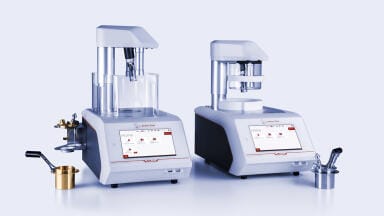
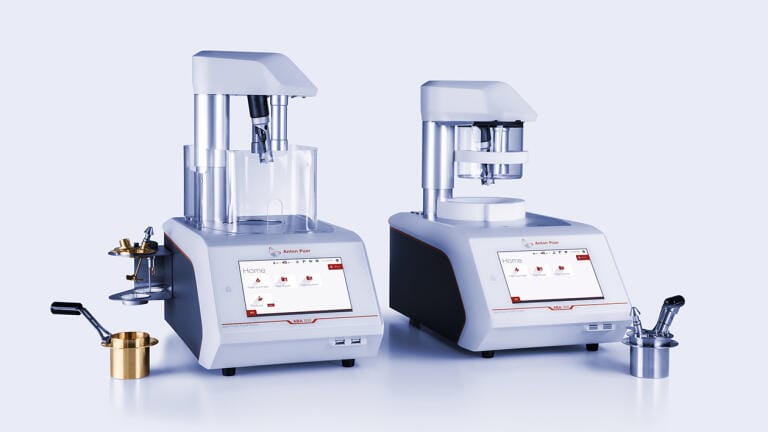
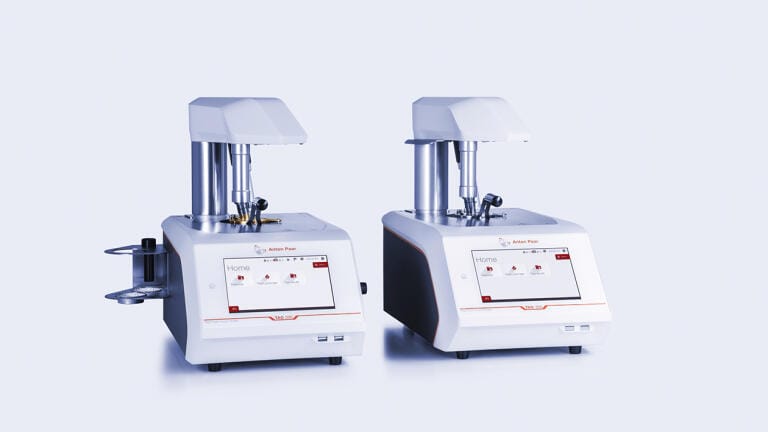
The ABA 300/500 and TAG 300/500 flash point testers provide automatic closed-cup flash point testing according to established standards, such as EN ISO 13736, ASTM D56, EN ISO 1516, and EN ISO 1523.
Designed for safe, reliable, and efficient routine measurements, they feature a ceramic-coated electric igniter with up to ten times the service life of conventional electric igniters, as well as a range of test cup options for different samples and testing needs. These include standardised brass and stainless-steel cups as well as mini cups for valuable samples or limited sample volumes.
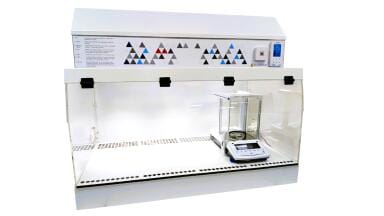
The entire range of closed-cup flash point testers comes with an integrated fire extinguisher and two independent fire detectors, forming part of a comprehensive safety concept designed to protect operators, instruments, and laboratories.
The ABA 300/500 and TAG 300/500 series are also fully compatible with AP Connect, enabling automated data transfer and centralised data management. By reducing manual steps and improving traceability, this helps integrate flash point testing seamlessly into connected laboratory workflows – from electrolyte development to routine quality control.
Lab Asia 33.6 Dec



 Product directory