Laboratory products
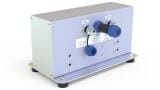
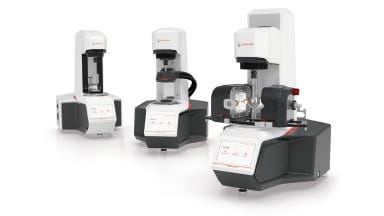
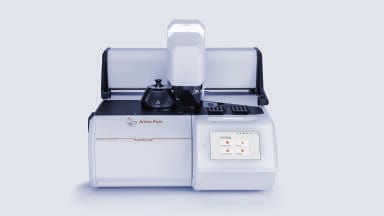
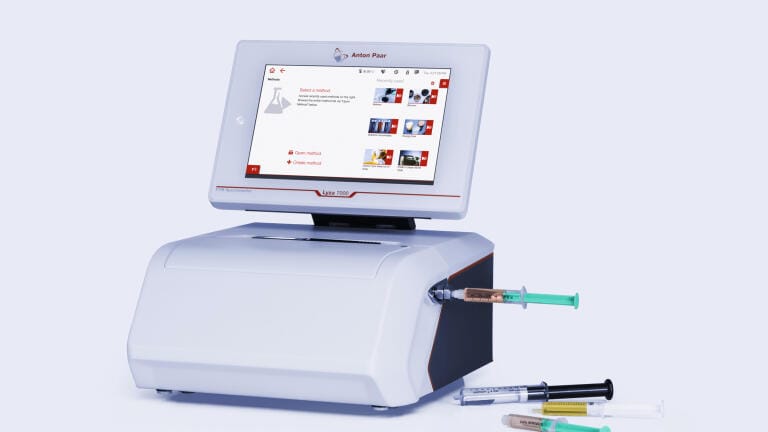
Anton Paar has expanded its FTIR portfolio with the new Flow Cell Modules, a range of temperature-controlled flow cells for the Lyza 7000 FTIR spectrometer. Forming part of the modular Lyza 7000 system, the cells streamline FTIR analysis of liquid samples by replacing conventional manual liquid-cell handling with a ready-to-fill flow-through setup that supports reliable results across routine applications.
The Flow Cell Modules include ZnSe and CaF₂ transmission cells, available in a range of path lengths, as well as ZnSe V-ATR and Germanium V-ATR cells, providing the flexibility to meet a wide range of liquid sample types and analytical requirements.
Ready-to-use application presets are available for FAME in diesel, carbon-type determination, taurine in energy drinks, citric acid and sugar in beverage concentrates, and betaine and sucrose in sugar beet molasses. Users can also create and validate their own quantification methods directly on the instrument.
“With the Flow Cell Modules for Lyza 7000, our goal was to make analysis of liquids with FTIR more practical in everyday lab work,” said Daniel Vetter, product manager for Lyza 7000 at Anton Paar. “They simplify sample handling, support automation for higher throughput, and help laboratories achieve consistent results through controlled measurement conditions.”
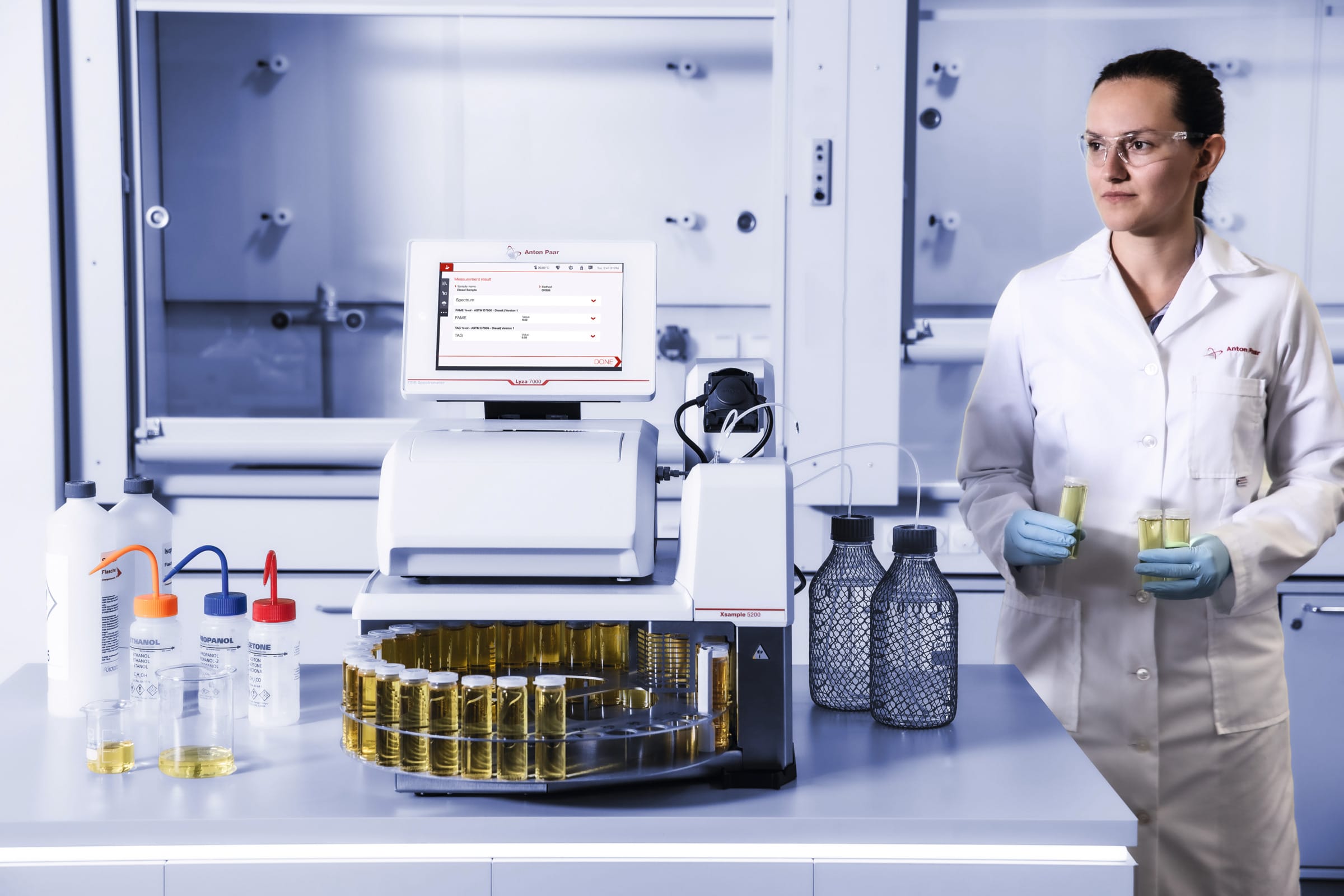
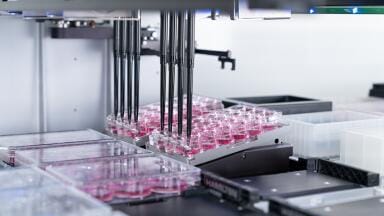
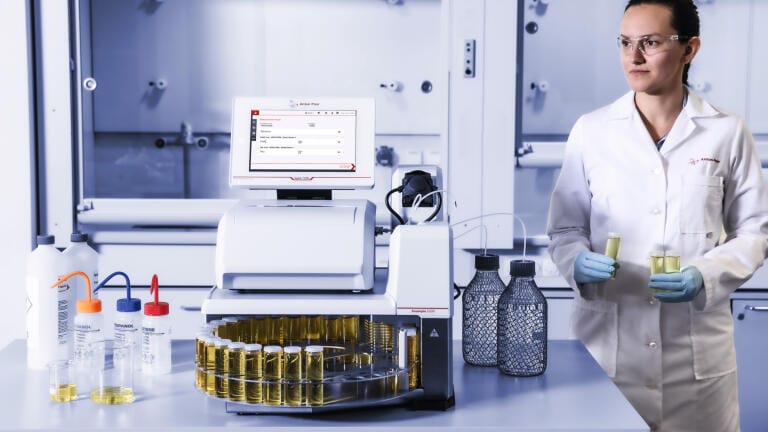
To support laboratories with different throughput requirements, the Flow Cell Modules can be combined with a range of automation options, including the Xsample 3200 single-position sample changer with push-button cleaning and the Xsample 5200 multi-sample changer for fully automated sequences. The temperature-controlled flow cells maintain constant measurement conditions across a selectable temperature range from 15°C to 40°C for precise and repeatable results.
With the introduction of the Flow Cell Modules, Anton Paar expands its FTIR portfolio to include a complete FTIR solution for liquid sample analysis, combining simplified sample handling, application-specific presets and scalable automation options for routine laboratory workflows.
ILM 51.6 Sept 2026

 Product directory