Reagents
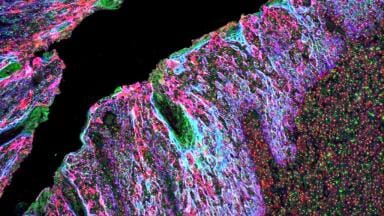
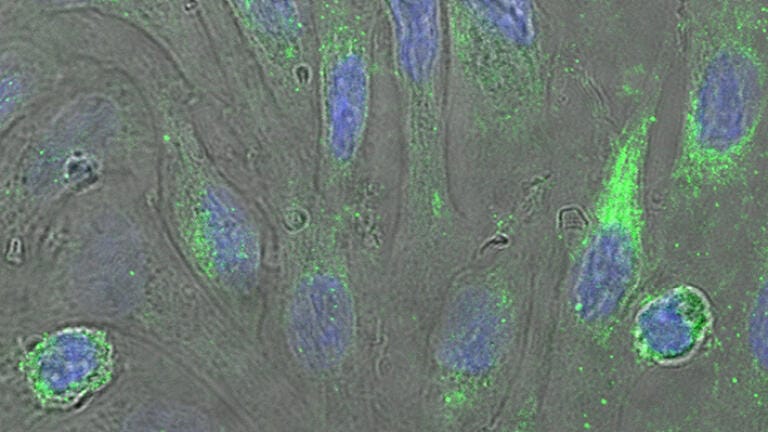
Amsbio is a premier supplier of high-quality heparan sulphate (HS) monoclonal antibodies for use in brain and neurodegenerative research. In a recently published study* from Stanford University, these antibodies have been used to reveal a key role for endothelial glycocalyx degradation in ageing and neurodegenerative disease.
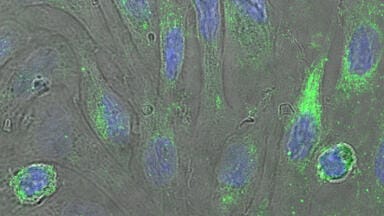
Heparan sulphate is a highly sulphated polysaccharide, synthesised as the glycosaminoglycan component of heparan sulphate proteoglycans (HSPGs). Heparan sulphate antibodies – including clones 10E4, JM403 and 3G10 – serve as critical molecular tools and biomarkers in brain research to map, visualise and analyse complex glycosaminoglycan patterns.
Glycoproteins play a fundamental role in maintaining the structural integrity and protective transport functions of a healthy blood–brain barrier (BBB). In this area they act as both structural anchors within the brain endothelial glycocalyx and active gatekeepers that control what enters or exits the brain parenchyma.
In the study* the researchers used HS antibodies to help identify brain endothelial glycocalyx dysregulation as a molecular mechanism that contributes to BBB dysfunction in ageing and neurodegenerative diseases. The results from this groundbreaking study demonstrate that restoring the brain endothelial glycocalyx may be an effective therapeutic route to combat BBB breakdown in age-related central nervous system diseases.
Due to the non-immunogenic nature of HS, developing effective antibodies against it has long been a challenge. Amsbio has overcome these limitations by offering a range of hybridoma-derived anti-HS antibodies including 10E4, 3G10 and JM403 that are valuable tools for research. Heparan sulphate antibodies from Amsbio are widely used by leading brain research groups around the world because of their high sensitivity, specificity and affinity to target antigens. They also work across many model species. All heparan sulphate antibodies supplied by Amsbio are rigorously validated to accurately detect and quantify cell-surface heparan sulphate. This ensures reliable data for diverse applications, from investigating viral infections to exploring cancer and immunological disorders.
*To read the Stanford University research study in full, please see here.
ILM 51.6 Sept 2026
 Product directory