Reagents
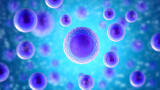
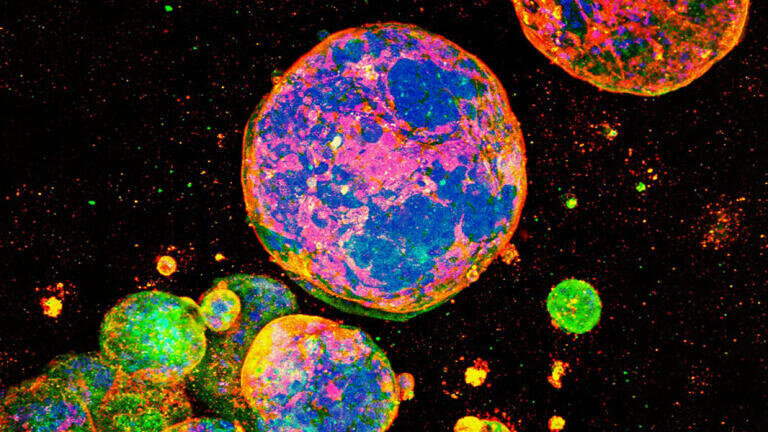
Researchers at the Graduate School of Medicine, Kyoto University have successfully grown patient-derived colorectal cancer cells in three-dimensional culture using MatriMix 511, a fully defined extracellular matrix developed by Amsbio. The findings highlight how precisely defined culture systems can improve the physiological relevance of cancer models used in research.
In the study, MatriMix 511 supported strong and consistent formation of tumour organoids derived directly from patient samples. Importantly, these organoids preserved key biological differences associated with tumour stage, offering a more accurate reflection of disease progression. By contrast, alternative matrix systems tested in parallel produced limited or absent expression of metastatic markers, underscoring the impact of matrix composition on cellular behaviour and experimental outcomes.
The researchers concluded that MatriMix enables the development of more representative in vitro tumour models, making it particularly valuable for studies investigating cancer biology, tumour heterogeneity, and treatment response. Improved reproducibility and tighter control over experimental conditions were also noted as key advantages over undefined matrices.
Commenting on the work, Dr Phillip Boder, Cell & Gene Therapy Business Manager at Amsbio, said: “Colorectal cancer remains one of the most common cancers worldwide, with a significant global mortality burden. While advances in cytotoxic and targeted therapies have improved survival, metastatic disease is still extremely challenging to treat. MatriMix supports organoid systems that more closely reflect patient tumour biology, providing researchers with a powerful tool for translational cancer studies. It also enhances reproducibility and offers superior control compared with less defined matrix systems.”
MatriMix 511 is composed of fully defined extracellular components, including collagen types I and III, laminin-511 E8 fragments, and hyaluronic acid. Designed as a ready-to-use 3D culture substrate, it is optimised for growing patient-derived cancer cells in physiologically relevant conditions.
The full Kyoto University study can be accessed here.
More information online
ILM Guide 2026/27


.jpg)
 Product directory