
Reagents
As international supply chains face unprecedented pressure from geopolitical instability and rising energy costs, the diagnostics industry must reassess its reliance on traditional cold chain logistics. With the sector experiencing continued growth, particularly in point-of-care (PoC) solutions, the logistical challenges of maintaining temperature-sensitive shipments have become a significant bottleneck for innovation and expansion.
For diagnostics organisations, the reliance on active temperature-controlled transport is increasingly vulnerable to energy price shocks and transit delays. Standard liquid reagents, constrained by the narrow shelf life of cold chain packaging (typically 48–72 hours), are highly susceptible to spoilage during flight rerouting or port backlogs.
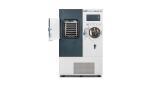
Freeze drying, or lyophilisation, offers a robust alternative. By removing moisture through sublimation while preserving the chemical composition and potency of critical diagnostic components, this process allows products to be stored and shipped at ambient temperatures.
The advantages of pivoting to a lyophilised supply chain are twofold:
While some stakeholders express concern regarding the added process step, the value of predictability in a volatile global market cannot be overstated. By neutralising the risk of cold chain failure, organisations not only reduce waste-related costs but also gain a strategic competitive advantage.
As the diagnostics landscape evolves, early adoption of lyophilisation is becoming a hallmark of resilient, forward-thinking enterprises. By integrating freeze-drying into their R&D and manufacturing pipelines, companies can safeguard their operations against the unpredictability of the 21st-century logistics environment.
More information online
ILM 51.6 Sept 2026





 Product directory