Laboratory products
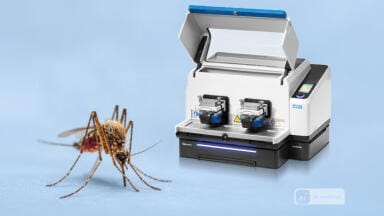
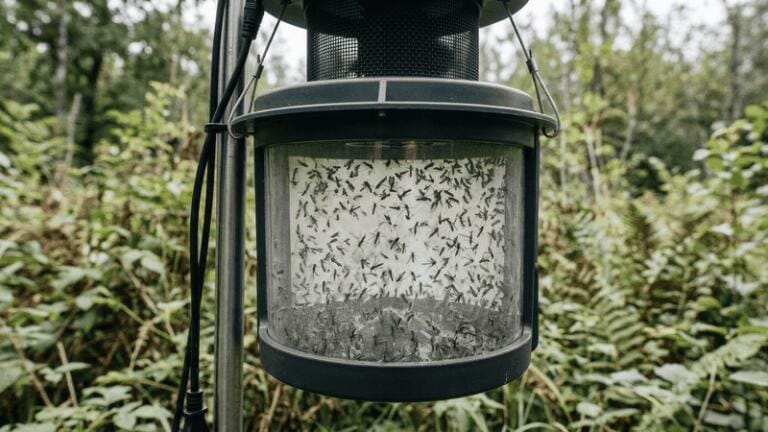
Mosquito surveillance helps public health authorities detect circulating viruses and respond to emerging disease risks. Laboratories analyse mosquito pools for viral RNA using RT-PCR, often processing large numbers of samples during peak season. Reliable results depend on consistent sample preparation that preserves sensitive biological material.
Mechanical homogenisation breaks down mosquito tissue before RNA extraction. However, frictional heat generated during processing can compromise RNA integrity and affect analytical consistency. Manual cooling methods introduce interruptions and may vary between operators, making reproducibility more difficult to maintain.
For surveillance laboratories, the challenge is to combine efficient sample processing with controlled conditions. Cooling should therefore be considered an integral part of sample preparation.
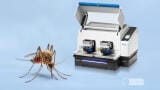
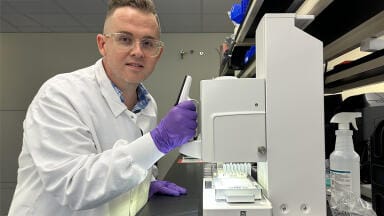
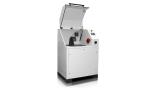
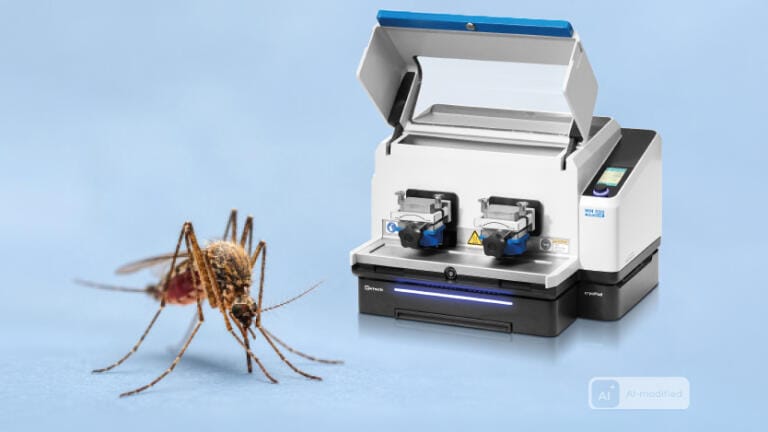
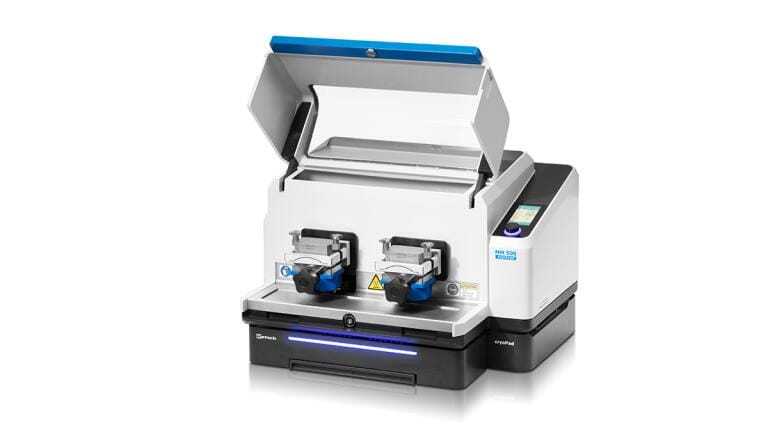
The RETSCH Mixer Mill MM 500 control enables temperature-controlled grinding through thermal plates that transfer heat between the grinding vessels and a connected cooling system. An external chiller provides continuous cooling during homogenisation, reducing the need for manual cooling breaks.
The instrument displays the thermal plate temperature, giving operators a reference for monitoring processing conditions. Actual sample temperatures depend on the application and should be verified when establishing a method.
For laboratories handling different materials, the system also supports alternative temperature ranges and cooling configurations. The optional cryoPad enables operation with liquid nitrogen for applications requiring cryogenic conditions.
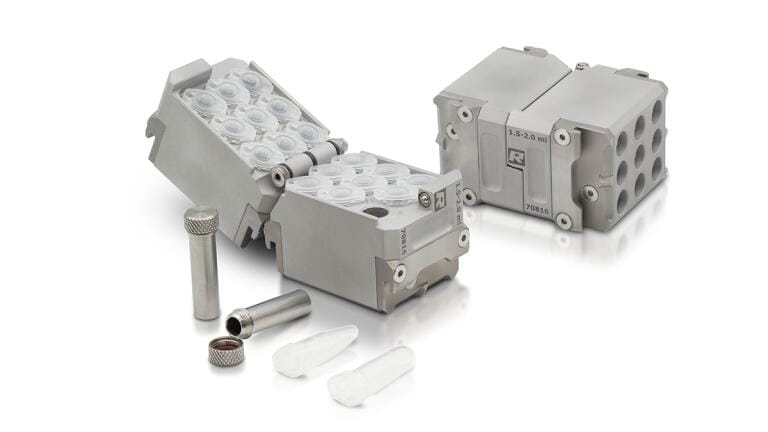
Aluminium adapters accommodate up to 18 reaction tubes per grinding station. With two stations, the MM 500 control can process up to 36 samples in one run. The adapters transfer cooling to the tubes, combining parallel sample processing with thermal management.
Disposable reaction tubes reduce cleaning requirements between batches and help limit carryover. For applications involving more demanding mechanical or thermal conditions, compatible steel tubes offer an alternative.
Stored operating procedures and programmable cycles support consistent processing across operators and batches. These features are particularly useful during seasonal increases in sample volume.
Temperature control alone does not guarantee reliable RNA detection. Laboratories must establish suitable homogenisation conditions for their samples and verify performance within the complete analytical workflow. RNA quality checks at the beginning of a surveillance season and after protocol changes help assess consistency.
Beyond mosquito surveillance, temperature-controlled homogenisation is relevant to other biological samples containing heat-sensitive molecules. By combining continuous cooling, parallel processing and programmable operation, the MM 500 control supports reproducible sample preparation while reducing manual handling. For surveillance laboratories, this provides a practical foundation for efficient workflows and reliable downstream analysis.
The full technical report can be found here.
LMUK 51.7 Nov 2026



 Product directory