Blood
NHS Blood and Transplant’s Colindale laboratory, which resolves complex blood group cases referred by hospitals, has reopened with more space and plans for genotyping and flow cytometry.
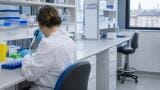
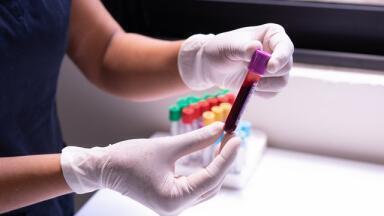
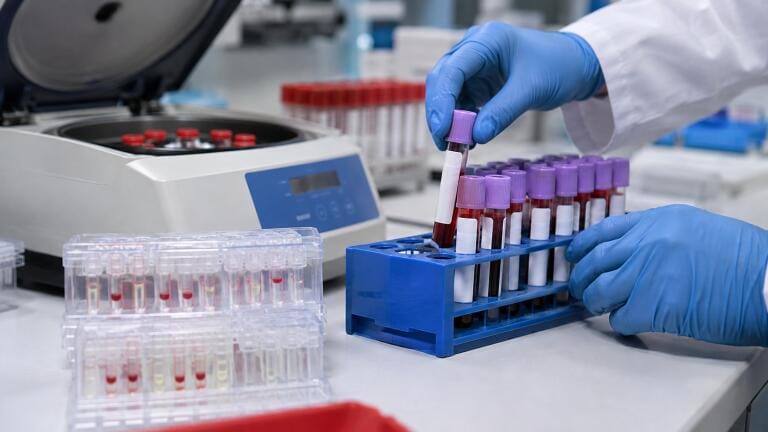
NHS Blood and Transplant (NHSBT) has reopened its Red Cell Immunohaematology (RCI) laboratory in Colindale, north London, after rebuilding work.
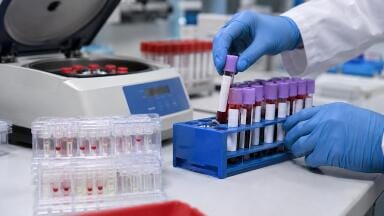
The laboratory provides a specialist referral service for hospitals that cannot resolve a patient’s blood type, helping patients with rare or complex blood types receive compatible transfusions. It can run advanced serological and genomic testing across NHSBT’s laboratory network and match patients against NHSBT’s national blood stock rather than a single hospital’s supply.
Demand is rising. NHSBT said referrals are increasing by around 7–10 per cent a year. The service carried out 18,000 investigations last year, around 60 per cent of them complex cases.
The rebuilt laboratory has more space, new air handling units, improved cold storage and lighting, and a reorganised layout. NHSBT did not disclose the cost of the investment.
The extra capacity will allow new tests to be introduced. These include flow cytometry for foetal–maternal screening and genotyping for DNA-based blood group testing.
The service supports patients with sickle cell disease and thalassaemia, haemolytic disease of the foetus and newborn, autoimmune haemolytic anaemia and blood cancers. It also supports transfusion in surgery, organ and stem cell transplants, and patients receiving monoclonal antibody therapies.
Laura Hontoria del Hoyo, Director of Pathology at NHSBT, said: “RCI provides a specialist referral service when hospitals cannot resolve a patient’s complicated blood types.”
She said the laboratory would be better placed to meet future demand and help address health inequalities, particularly for patients with sickle cell disease and thalassaemia.
Lab Asia 33.6 Dec


 Product directory