HPLC
Published over 13 years ago. See the latest and most current information on HPLC.
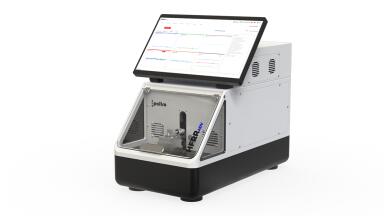
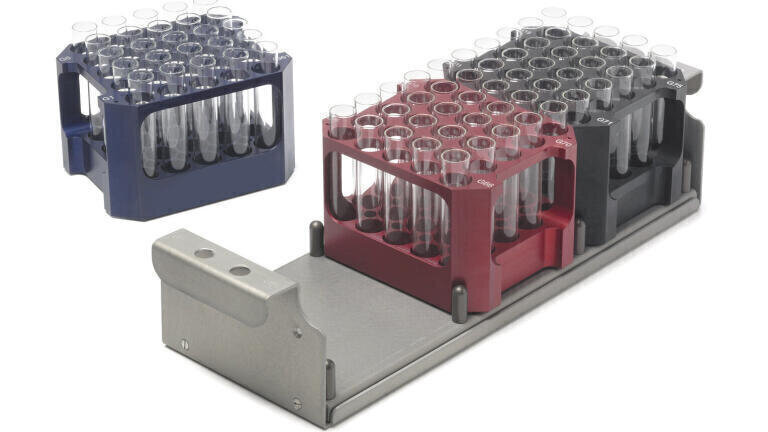
A white paper is available from Genevac that details a high throughput methodology, using its HT Series II centrifugal evaporator, for drying HPLC fractions containing water.
HPLC purification fractions can be notoriously difficult to dry. The acetonitrile or methanol seems to evaporate easily enough but the water presents more of a challenge. Genevac have developed a multiple stage method to enable HPLC purification fractions to be easily dried in the fastest safe way possible.
For a copy of this white paper please visit the Genevac website or contact the company.
The HT Series II centrifugal evaporators benefit from Genevac's 20+ years of experience in solvent removal with leading edge features that provide superior sample protection, flexibility for multiple applications, consistency of results, robust build quality, ease-of-use, rapid high-throughput results and low maintenance. Genevac has developed a number of technological innovations on the HT Series II that assist labs looking to efficiently and safely dry aqueous HPLC fractions. These include Dri-Pure® that eliminates the unwanted effects of solvent bumping; SampleGuard® that prevents heat damage to samples while ensuring rapid evaporation and Auto-Defrost & Drain that enables volatile solvents to be collected and safely disposed of. A technical brochure describing ther HT Series II Centrifugal Evaporator range in more detail is available here
ILM 51.6 Sept 2026





 Product directory