Laboratory products
Published over 5 years ago. See the latest and most current information on Laboratory products.
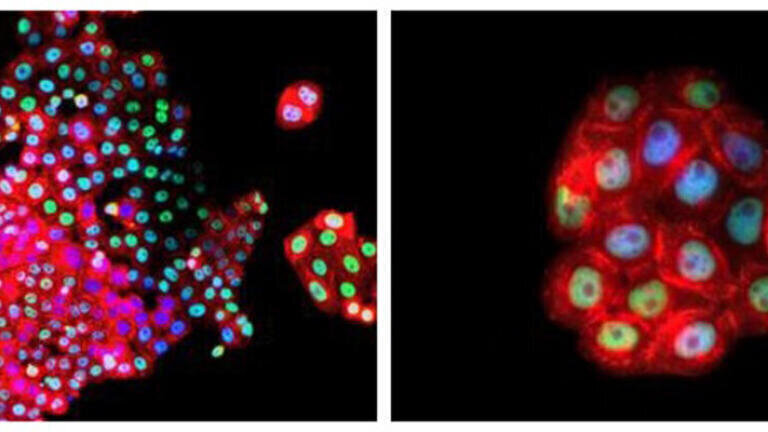
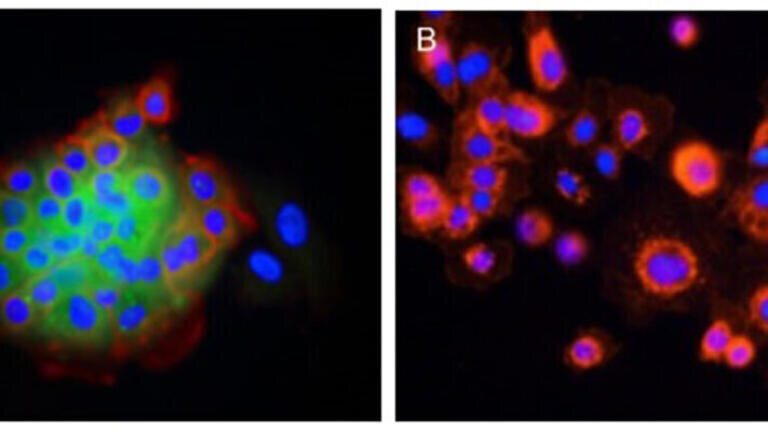
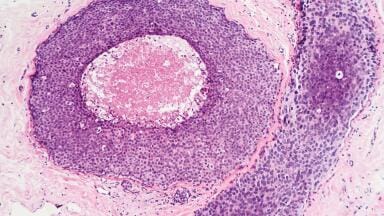
Amsbio has expanded its range of primary human cancer cells sourced from a wide variety of tissue types that allow the study of cancer in a more in vivo like fashion.
Many scientists acknowledge that using immortalised cell lines as surrogates offers only a poor reflection of the diverse profiles of real cancer tumours. During long-term culture, immortalised cells adapt to their in vitro environment, and often mask or lose the in vivo phenotypic events being studied, in addition to hiding key epigenetic or immunotherapy markers. These shortfalls highlight the need for new in vitro cancer models, utilising primary tumour cells that more closely reproduce the in vivo cancer microenvironment.
Traditionally, cancer drug discovery has relied on the same limited selection of models that have been in use for decades. Progress in recent years has however highlighted the tremendous heterogeneity of the disease, leading which has led to a more urgent focus on precision medicine; as well as advanced treatments such as immunotherapy and the use of oncolytic viruses. Donor-derived primary tumour cells from Amsbio offer a more in vivo like model, potentially enhancing the development of targeted personalised therapeutics.
Amsbio’s range of primary human cancer cells are available for specific tumour types, both primary and metastasis. All exhibit heterogenous cell populations with diverse genetic backgrounds. Provided with the original pathological diagnoses and analysed for key mutations, these primary human cancer cells present the real characteristics of their in vivo state, remain heterogeneous for several passages and thus enhance pharmacogenetic and molecular diagnostic testing abilities. Typical applications that will benefit from these products include drug discovery and development, drug testing, drug screening, basic research as well as functional and cytotoxicity analyses.
This expanded range of patient-specific cells, which includes breast and prostate primary cancer cells available from multiple donors, adds to the range of products offered by Amsbio to help researchers develop more physiologically relevant models to study cell behaviour.
ILM 51.6 Sept 2026



 Product directory
















.jpg)
