News
Published over 12 years ago. See the latest and most current information on News.
The Nobel Prize for medicine or physiology has been awarded to three scientists for their work on identifying exactly how cells are able to transport material. Professors James Rothman, Randy Schekman and Thomas Sudhof were awarded the prestigious prize for their separate bodies of work on the way that cells are able to carry materials to an exact location within the body.
The way in which cells transport vital materials are successfully delivered to the right places at the right time, is crucial when it comes to the body functioning correctly. Hormone changes, brain communication and the function of the immune system are just some aspects of the body that are affected by the way that 'vesicles' carry and deliver chemicals within the body.
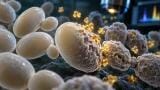
Vesicles are the bubbles of fat within a cell that are able to transport neurotransmitters, enzymes, hormones and other materials around the cell itself. They are also able to join with the outer surface of cells in order to deliver the chemicals to other areas of the body. Vesicles ultimately allow the cells to function correctly by ensuring certain materials are exactly where they need to be.
The prize committee said that the discoveries: "Had a major impact on our understanding of how cargo is delivered with timing and precision within and outside the cell.
"Without this wonderfully precise organisation, the cell would lapse into chaos."
Each of the winners of the prize have been commended for their individual work in the field, which has led to a better understanding of the transport system.
Professor Sudhof, from Stanford University, US, made discoveries in the way that neurotransmitters are released within the brain at the right instances via the vesicles. While professor Rothman of Yale University identified the "docking mechanism" within the vesicles. This is certain proteins inside the vesicles that release the materials that are be carried at the right place.
The genes that regulate the whole system were identified by Professor Schekman from the University of California at Berkeley. He also found that within the three identified genes, mutations caused huge problems in terms of transporting materials and releasing them in the right places at the right times.
ILM 51.6 Sept 2026

 Product directory














.jpg)
,-photo-Karin-Allander.jpg)