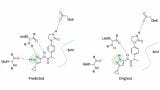
Scientists at the University of Reading have drawn inspiration from biological systems to create a form of data processing and storage similar in structure to DNA.
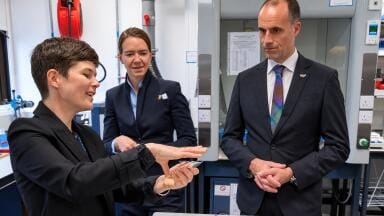
Howard Colquhoun, professor of materials chemistry in the department of chemistry, led the team which produced the polymer strands and tested their ability to hold information.
He says: "We plan to develop methods for writing new information into the polymer chains with the long-term aim of developing wholly synthetic information technology working at the molecular level."
The
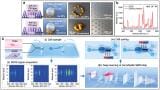
scientists were able to create tweezer-shaped molecules that follow the polymer chain and then bind on to it at a location where its structure is complementary to their own.
By using sequences of these tweezer molecules, the information on the strand may be read, allowing potentially high-density storage environments to be created similar to the way the human genome is stored in the compact double helix shape of DNA.





 Product directory