Technology used in NASA missions to Mars could lead to self-cleaning
laboratory products in the years to come.
A team at Boston University, led by Dr Malay K Mazumder, are researching the use of electrostatic waves to repel dust from surfaces.
Their studies focus on solar panels at present, but could lead to
laboratory products of all kinds capable of eliminating dirt from themselves by passing an electrical wave across their exterior.
Cleaning takes less than two minutes and is 90 per cent effective, according to the team, with detectors assessing when the surface is dirty and responding automatically.
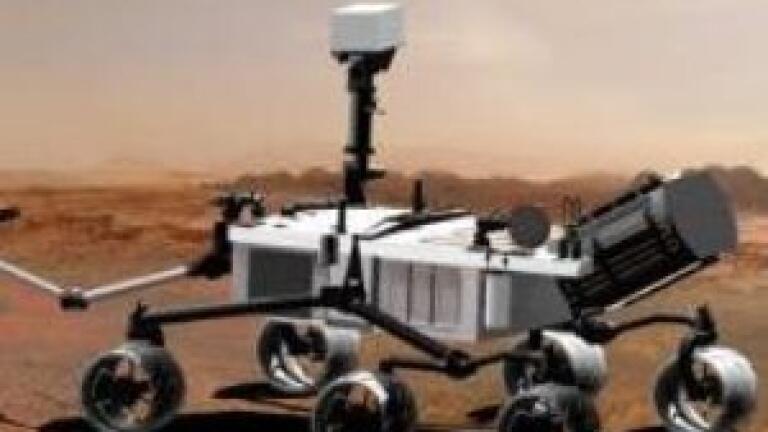
The technology was developed in collaboration with NASA for use on Martian rovers operating in the red planet's dusty environment.
Dr Mazumder - whose interests include electrostatic science and respiratory drug delivery - adds that he believes the solution to be the only one in existence which does not require movement or a clean water supply.





 Product directory