Balances
METTLER TOLEDO, a global leader in precision instruments, has published a new application note on PFAS testing and analysis, highlighting its expertise in accurate and efficient sample and standard preparation.
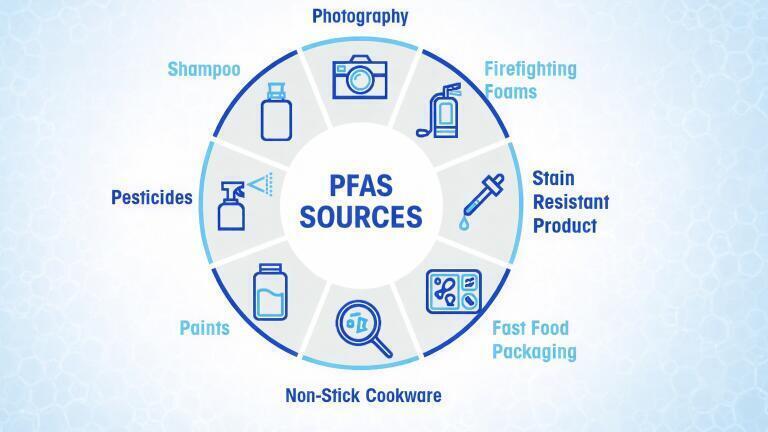
PFAS (per- and polyfluoroalkyl substances), also known as ‘forever chemicals’, have seen widespread use in products like non-stick cookware, textiles, food packaging, and firefighting foams. However, PFAS have become an increasing concern due to their bioaccumulation in the environment (water, soil, air, and food sources). Mounting evidence of significant health risks associated with exposure at high levels, including cancers, liver damage, and developmental issues, coupled with increasing public awareness, is driving monitoring programs and stricter regulations worldwide.
The EU Regulation 2023/915 set stricter maximum limits on PFAS in food products, and the European Commission ban on PFAS in portable fire extinguishers comes into force from October 2026. France prohibited PFAS in consumer goods from January 2026.
As a result, existing testing laboratories with limited capacity face growing demands for accurate, sensitive and reliable PFAS testing at increasingly low concentrations. New analytical methods are being developed using LC-MS/MS, and other sophisticated high-resolution spectroscopy techniques.
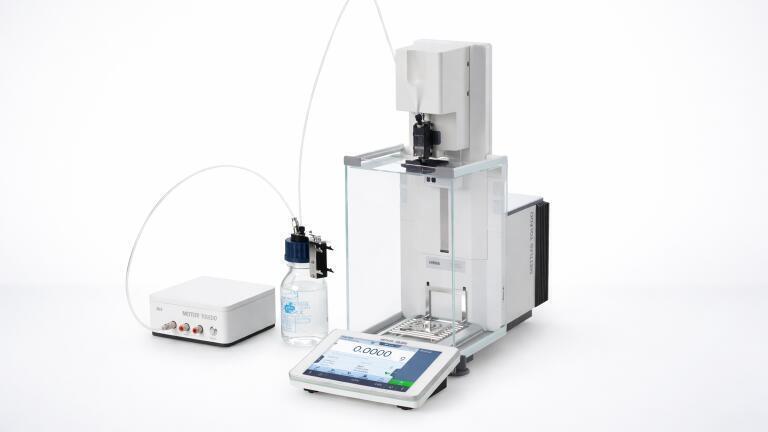
METTLER TOLEDO’s XPR balances (analytical, micro, ultra-micro) and the XPR Automatic Balance offer precise and accurate weighing of small amounts of PFAS reference materials, essential for generating accurate calibration standards. Automated dilution enhances reproducibility and reduces errors. Combined with LabX software, traceability and compliance with quality standards is ensured.
METTLER TOLEDO’s precise weighing and dilution solutions, with automation and digitalisation options help laboratories meet evolving regulations, improve throughput and accuracy, to protect public health.
Download the PFAS Testing application note to empower your laboratory with the tools and knowledge to confidently meet the growing demands of PFAS testing and compliance.
More information online
ILM 51.6 Sept 2026




 Product directory
















---EXPLORER-PRs-within-printed-e-Journal-publication-horizontal-.jpg)




-copy-1.jpg)