Blood
Published over 8 years ago. See the latest and most current information on Blood.
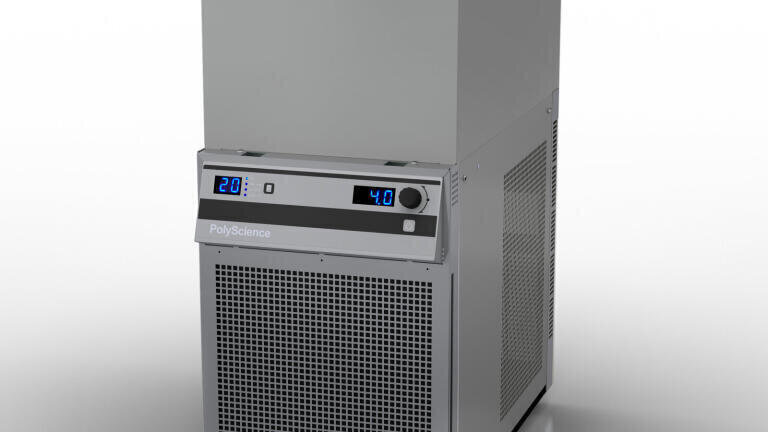
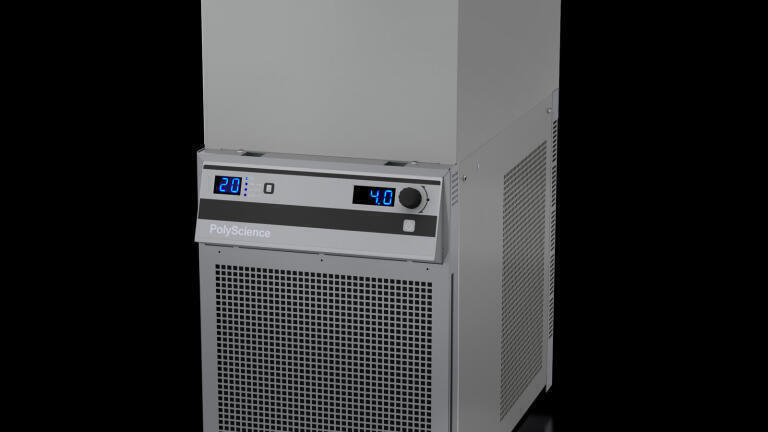
Cryoprecipitate baths are used to thaw blood products and samples safely providing the correct temperature and flow conditions to limit damage during thawing. The cryoprecipitate bath from PolyScience is ideal for thawing blood products with a temperature stability of ±0.1°C and the ability to process 24 units of fresh blood at once.
Limiting the damage caused by freezing and thawing ensures that patients receive the best possible transfusion products when undergoing therapy, and enables reliable biochemical measurements in the life sciences. Most of the problems caused by freezing and thawing blood samples can be avoided by following best practices and using a cryoprecipitate bath to carefully control freezing and thawing.
Blood components should be isolated and frozen as quickly as possible to prevent deterioration. When blood samples are taken, different tubes are used to increase the stability of the required blood component and the speed of isolation. Cryoprotectants can also be added to prevent the formation of ice crystals and reduce the osmotic effects of freezing.
When storing blood samples for later analysis, repeated freezing and thawing cycles should be avoided. It is considered good practice to separate blood samples into aliquots before freezing, to prevent repeated freezing and thawing each time a new analysis is required. The temperature should be monitored and continuously maintained to avoid partial thawing.
PolyScience Cryoprecipitate baths are available with Set points fixed at 4°C, and can thaw up to 24 units of FFP or White Blood (WB) simultaneously.
For more information please click here.
ILM 51.6 Sept 2026



 Product directory


.jpg)
.jpg)