Clinical, medical and diagnostics
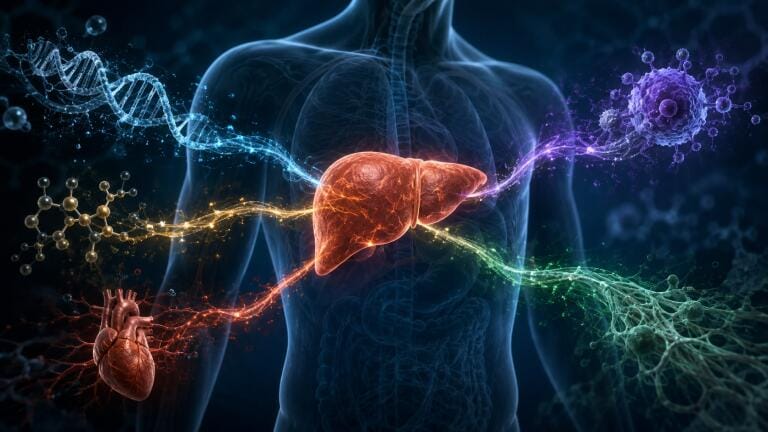
Mayo Clinic and Virginia Tech researchers have identified five biologically distinct forms of metabolic dysfunction-associated steatotic liver disease, each associated with different risks for heart disease, liver failure, cancer and liver transplantation
Researchers at the Mayo Clinic, headquartered at Rochester, Minnesota, USA, have found that a liver disease affecting nearly 30 per cent of adults worldwide comprises five biologically distinct subtypes, rather than being a single condition. Each subtype carries a different risk of heart disease, liver failure, cancer and the need for liver transplantation.
The study, conducted in collaboration with researchers at Virginia Tech, Blacksburg, Virginia, USA, has shown that metabolic dysfunction-associated steatotic liver disease can develop through several biological pathways. Some are associated with obesity and diabetes, while others arise from inheritable factors.
The genetic subtypes are associated with a greater risk that the condition will progress to advanced liver disease, even among patients without the usual metabolic risk factors.
The findings could enable clinicians to identify patients at high risk earlier and to provide more precise screening and personalised treatment.
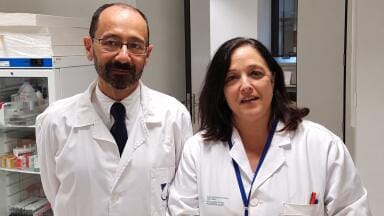
“When clinical and genomic data are analysed together at this scale, you begin to see patterns of disease progression that would otherwise remain hidden,” said Dr. Shulan Tian, co-senior author of the paper and a bioinformatician at Mayo Clinic.
“Once you separate these subtypes, you can start to match treatments to the biology that’s actually driving the disease,” she said.
Metabolic dysfunction-associated steatotic liver disease – formerly called non-alcoholic fatty liver disease – develops when excess fat accumulates in the liver. The condition often produces no symptoms, but it can progress to inflammation, scarring and irreversible liver damage. It is a leading cause of cirrhosis, liver cancer and liver transplantation worldwide.
To identify the subtypes, the researchers combined genetic sequence data with detailed clinical records from more than 4,600 patients with the disease. The dataset encompassed measures that included liver enzyme levels, body mass index and blood lipid levels, as well as coexisting conditions such as diabetes, depression and sleep apnoea.
Advanced computational modelling allowed the team to identify groups of patients who shared underlying biological signals and to define five distinct subtypes of the disease.
“What’s emerging here is a way to systematically identify meaningful subgroups within complex disease,” said Dr. Eric Klee, co-senior author and the ‘Everett J. and Jane M. Hauck’ Midwest associate director of research and innovation at Mayo.
“It helps us map complex disease with such precision that we can begin to anticipate its course and intervene before the most serious damage occurs,” he said.
Mayo Clinic’s Research Data Atlas enabled the discovery with its platform connecting genetic information and patient records to reveal patterns across large populations. One of the atlas’s key components is the Tapestry Study, which has generated Mayo Clinic’s largest collection of exome data from more than 100,000 participants. These data capture important genetic variation that helps to shape how diseases develop and progress.
“This is exactly the kind of insight large-scale genomic research was built to deliver,” said Dr. Konstantinos Lazaridis, the ‘Carlson and Nelson Endowed’ executive director of the Center for Individualized Medicine at Mayo, who led the Tapestry Study and co-authored the research.
“When you connect genetic data with detailed clinical information across large populations, you can start to redefine diseases in ways that directly impact patient care,” he said.
The study also revealed associations beyond the liver whereby, for the first time, the researchers found that particular subtypes were associated with depression, sleep apnoea and migraine. The results have highlighted the disease’s systemic effects across several organ systems.
The team now plans to test the method in broader patient populations and to examine whether the subtypes respond differently to treatments, including glucagon-like peptide-1 (GLP-1) receptor agonists.
First author Tahmina Sultana Priya, now a doctoral candidate at Virginia Tech, contributed to the research while at Mayo Clinic.
For further reading please visit: 10.1038/s41467-026-77410-6
ILM 51.6 Sept 2026



 Product directory


.jpg)






















.jpg)