Clinical, medical and diagnostics
A mouse study has identified a possible biological pathway through which fungal infection, bacterial lipopolysaccharide and coagulation proteins could cause severe asthma to resist steroid treatment
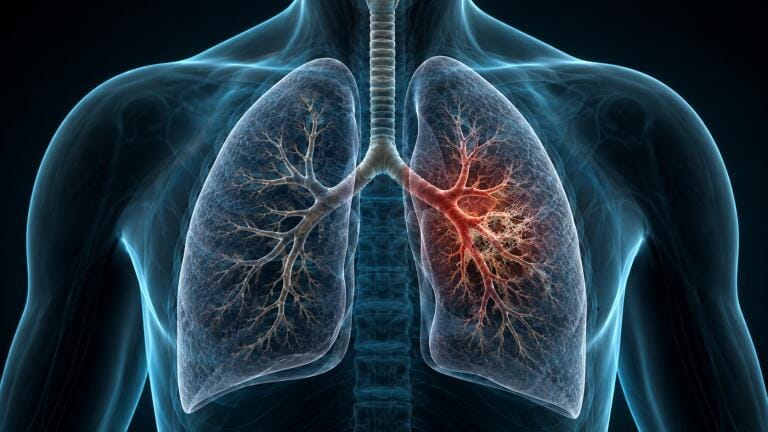
Asthma affects more than 300 million people worldwide and although many people can control their symptoms with inhaled corticosteroids, up to 10 per cent can develop a more severe form of the disease that does not respond well to these medicines. Steroid-resistant asthma remains one of the most difficult forms of the condition to manage.
“We wanted to find new ways to help patients manage their condition,” said the corresponding author, Dr David Corry, the ‘Fulbright Endowed Chair’ in pathology and a professor of medicine in immunology, allergy and rheumatology at Baylor College of Medicine, Houston, Texas, USA.
“To develop new treatments, we needed to identify the biological pathways and players that may help explain the steroid-resistant nature of their condition,” he said.
To investigate the mechanisms involved, the researchers developed a mouse model designed to reproduce severe steroid-resistant asthma in humans. In people, this form of the disease has a characteristic immune profile that includes large numbers of T helper type 2 cells and neutrophils.
The team examined several factors known to contribute to asthma. It focused on airway fungal infection and exposure to lipopolysaccharide (LPS), a molecule found on the outer membrane of many bacteria that can provoke a strong immune response.
Corry and his colleagues found that exposure to the common fungus Aspergillus niger caused asthma-like disease in mice. The animals developed airway inflammation and airway hyperresponsiveness, a condition in which the airways become excessively sensitive and constrict too readily. Unexpectedly, steroid treatment reduced some signs of inflammation but did not correct the airway dysfunction responsible for respiratory difficulty.
When the researchers combined small amounts of LPS with exposure to the fungus, the disease became more severe. The mice developed a form of asthma that closely matched severe human disease, with both allergic inflammation and increased numbers of neutrophils. Steroid treatment again reduced inflammation but failed to restore normal airway function.
The researchers then used the model to investigate the biological basis of steroid resistance. They focused on substances called ‘fibrinogen cleavage products’ which are also known as ‘cryptokines’.
Fibrinogen is a soluble protein involved in blood coagulation. After an injury, it is converted into insoluble fibrin, which forms a stable mesh that prevents blood loss. Fibrin can also accumulate in the lungs and form plugs that obstruct the airways.
When fungal enzymes in the lungs cleave fibrinogen, they produce smaller fragments called cryptokines. These fragments contribute to airway hyperresponsiveness because they activate Toll-like receptor 4 (TLR4).
In mouse models that lacked TLR4 the test mice did not develop the same severe airway responses showing that the receptor was essential to the disease process observed.
The researchers also found that airway epithelial cells – which line the airways – could produce coagulation proteins such as fibrinogen and prothrombin. Cryptokines stimulated these cells to produce greater quantities of the proteins which established a self-reinforcing cycle. More fibrinogen could produce more cryptokines and further exacerbate airway disease.
“Overall, the findings support [the hypothesis] that severe steroid-resistant asthma may be driven by fungal activity, bacterial products such as LPS and clotting-related proteins that activate TLR4,” said Corry.
“These pathways appear capable of causing airway dysfunction that does not respond to steroid treatments and should be considered when planning therapies,” he added.
For further reading please visit: 10.1016/j.mucimm.2026.100354
ILM 51.6 Sept 2026



 Product directory


.jpg)