Blood
Published over 8 years ago. See the latest and most current information on Blood.
By minimising the damage caused by freezing and thawing, it can be ensured that patients receive only the best possible transfusion products when undergoing therapy, thus enabling reliable biochemical measurements in the life sciences. Most of the problems caused by freezing and thawing blood samples can be prevented by following best practices and using a cryoprecipitate bath to carefully regulate the freezing and thawing process.
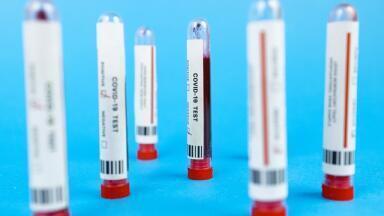
To prevent deterioration of blood components, they must be isolated and frozen as soon as possible. Different tubes are used when taking blood samples to increase the speed of isolation and stability of the required blood component. In addition, cryoprotectants can be added to prevent the formation of ice crystals and minimise the osmotic effects of freezing.
Repeated freezing and thawing cycles must be avoided when storing blood samples for later analysis. Separating blood samples into aliquots prior to freezing is considered to be a good practice because repeated freezing and thawing can be prevented whenever a new analysis is needed. In order to avoid partial thawing, the temperature should be monitored and maintained continuously.
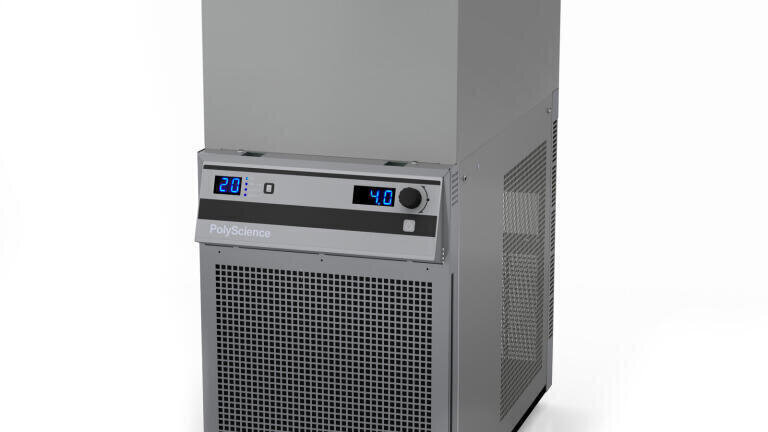
With cryoprecipitate baths, blood products and samples can be safely thawed which will offer the right flow and temperature conditions to reduce damage during thawing. PolyScience’s cryoprecipitate bath, with a temperature stability of ±0.1°C and the ability to process 24 units of fresh blood at once, is perfect for thawing blood products.
For more information please visit our website or contact us directly.
ILM 51.6 Sept 2026



 Product directory


.jpg)
.jpg)