
Chromatography
Published over 10 years ago. See the latest and most current information on Chromatography.
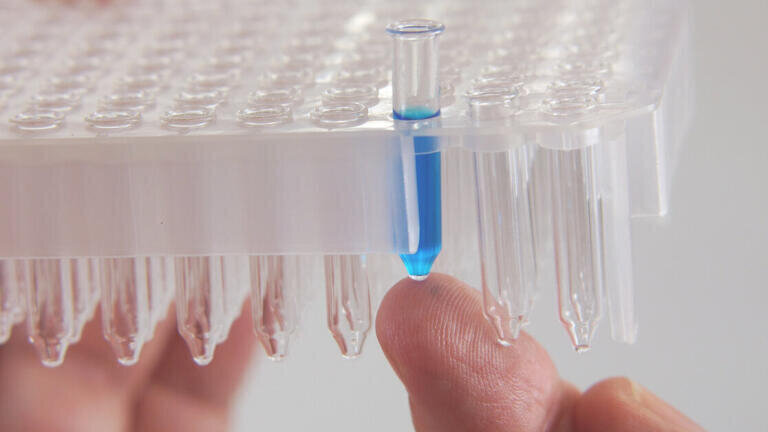
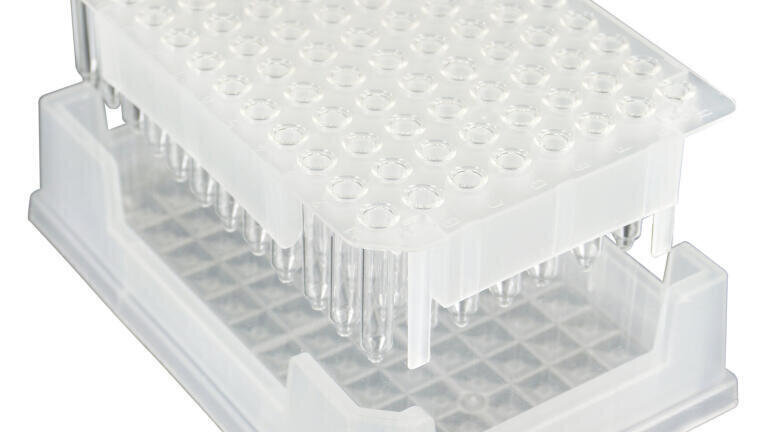
Solve your sample management control problems. Discover more about MicroSolv’s new Universal-2 Dimensional (U-2D) 96 Well Plate system, which offers a number of benefits compared to current glass-lined or plastic well plates for sample preparation or chromatography.
The key benefits of the U-2D 96 Well Plates system include:
The novel design enables the rack containing precision glass inserts to be removed from the plastic base, for checking individual inserts for bubbles or missed fills, or for transfer to a thermal bath for controlled heating or cooling. Additionally individual glass inserts can be removed and placed into 9mm screw top autosampler vials for storage or for transfer to another instrument platform. This enables small volume samples to be stored with minimal loss of sample.
Click here for further information on the U-2D Universal – 2 Dimensional 96 Well Plate system. For further information on any MicroSolv product contact us or click here.
Lab Asia 33.6 Dec



 Product directory