Chromatography
Published over 14 years ago. See the latest and most current information on Chromatography.
Porvair Filtration Group has announced that the Childrens Research Institute at the Medical College of Wisconsin has used the company’s Chromatrap™ technology to develop more efficient and more precise Chromatin Immunoprecipitation (ChIP) assays. The Children’s Research Institute is renowned for its state-ofthe- art pediatric studies. The CRI’s translational research programs are targeted to find life-saving discoveries and cures in the diseases that affect children and interventions that enhance quality of life for children and families living with chronic health conditions. Over the last few months - Dr Ronald N Hines, Professor of Pediatrics, Pharmacology & Toxicology at the CRI has compared the efficacy of Chromatrap™ with traditional bead based ChIP technologies in his research into known regulatory elements controlling ontogeny of important human drug metabolising enzymes, such as CYP3A4. He commented: "I believe the bead-based system gave us a relatively small signal to noise ratio such that even minor deviations caused by variation in the efficiency of the bead system (for whatever reason) resulted in considerable variation in the assay". He added: "By comparison I think the most substantial advantage of the Chromatrap system is more efficient and less variable trapping of the immunoprecipitated chromatin such that the signal to noise ratio is larger and influenced less by minor variations in trapping efficiency."
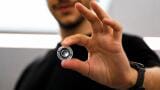
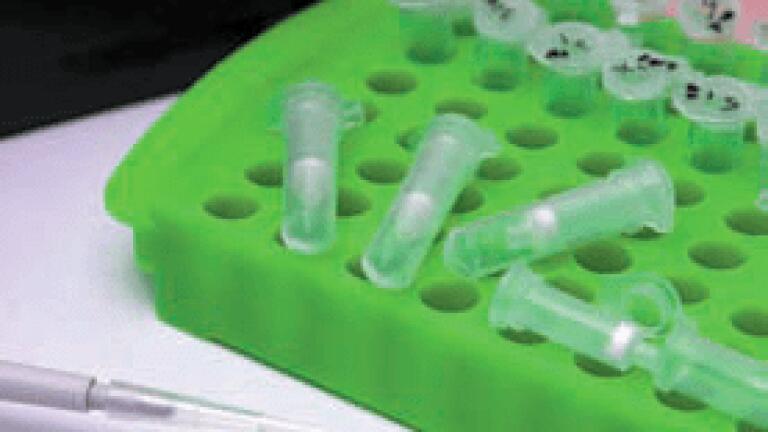
The Chromatrap™ spin column approach offers significant advantages compared to methods based on agarose or magnetic beads, which involve many steps of separation, pipetting and re-suspension. The BioVyon™ protein A discs used in Chromatrap™ spin columns have a proprietary internal structure, composed of pores that have inner surfaces specifically designed to maximise chromatin capture efficiency. Porvair’s proprietary disc base material is chemically inert, reducing incidences of non-specific binding. All chromatin capture reactions take place inside the rigid porous disc; therefore there is no need for the many repetitive stages of suspension, collection and resuspension by pipetting. Additionally no pre-blocking step is required. The Chromatrap spin column protocol allows washing steps that are fast, efficient and less prone to error and the ’flow through’ characteristics of the column ensure excellent sample mixing and washing during the assay.
ILM 51.6 Sept 2026

 Product directory