.jpg)
Clothing
Published over 9 years ago. See the latest and most current information on Clothing.
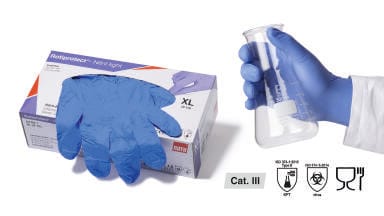
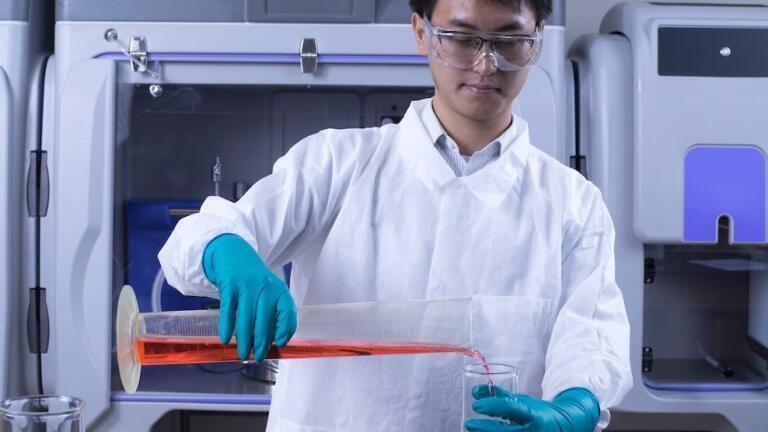
Ansell announces the introduction of Microflex® 93-260, the thinnest chemical resistant, single use glove available on the market today. This breakthrough solution offers tough protection against a broad range of chemicals, while still providing the dexterity and tactility of a thin, disposable glove.
Traditional disposable gloves are designed to provide protection against chemicals for only short periods of time – in the event of a splash; while chemical gloves typically have a thicker, sturdier design for longer lasting protection. The new Microflex 93-260 is a thin, disposable glove designed to offer higher levels of protection against chemicals for longer periods of time than ordinary single use gloves. The glove achieves this through an innovative three-layer design that resists a wide range of aggressive chemicals. Its exterior nitrile layer delivers maximum protection against several organic solvents, while the soft neoprene middle layer provides acid and base resistance. A final interior layer provides a continual dry feel, while also easing the donning and doffing, or putting on and removing, process. The glove is just 0.19mm thick, so it offers this superior protection while also providing enhanced tactility and dexterity for easy handling of small parts and tools.
Microflex 93-260 gloves are available in sizes XS to XXL (5.5-11) and feature textured fingers and an extended cuff for added protection. In addition, the glove meets ASTM D 3577, D6977, EN 420, EN 388 Abrasion Level 2 and EN374-JKL performance standards.
More permeation information about the Microflex 93-260 is available through Ansell Chemical GUARDIAN™ which simplifies the chemical glove selection process for a unique set of chemicals. This unique tool offers a personalised glove assessment with expected permeation times, which will facilitate a glove selection. This system currently contains permeation time information of around 6.000 single chemicals and 10.000 chemical mixtures.
ILM 51.6 Sept 2026




 Product directory