HPLC
Published over 15 years ago. See the latest and most current information on HPLC.
Phenomenex, Inc has produced an online video tutorial on optimising conventional HPLC systems for use with advanced, high-performance media. New core-shell technology columns, such as Kinetex® from Phenomenex, can produce ultra-high performance results on standard LC systems. Extra dead volume in HPLC instruments prevents maximum performance of the new, high-performance columns. With easy HPLC system modifications, Kinetex users can realise performance improvements of up to 130%. The Phenomenex video tutorial demonstrates simple ways to minimise this dead volume, such as using smaller-diameter connective tubing and switching to a low-volume needle seat and detector flow cell.
“We developed and produced this tutorial to help chromatographers realise maximum potential from the new column technology on existing systems,” commented Jeremy Bierman, Brand Manager for Phenomenex. “Recent studies have shown that Kinetex core-shell columns are redefining what is possible in HPLC and that improvements to even the best instruments must be made before the full potential of these new high-performance columns is realised.”
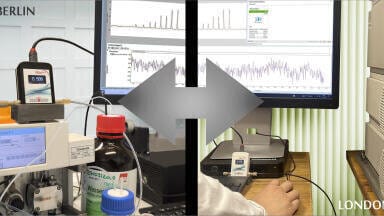
The video tutorial shows step-by-step instructions that LC users can follow in their own labs, along with a case study on an Agilent 1100 system demonstrating the improved results that these optimisation steps can produce.
ILM 51.6 Sept 2026




 Product directory