Laboratory events news
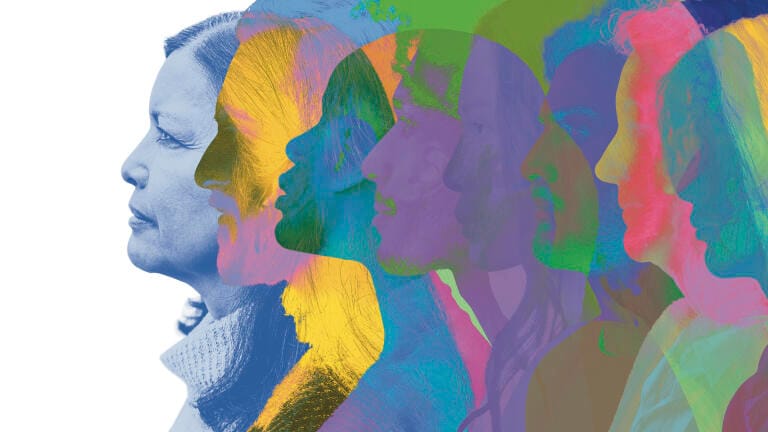
The Francis Crick Institute is bringing ancient DNA research into focus with a new exhibition showing how fragments of genetic material from long-dead humans are reshaping understanding of evolution, migration and disease.
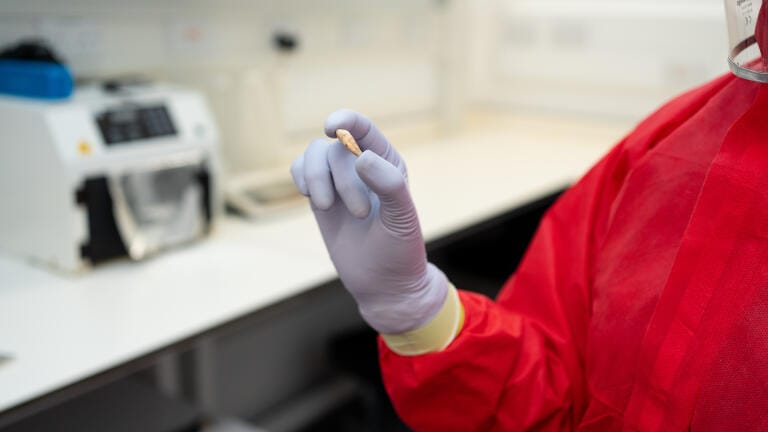
Opening in July 2026, We Go Way Back explores how advances in genomics are allowing scientists to recover and analyse DNA from bones and teeth thousands of years old, revealing links between ancient populations and modern humans.
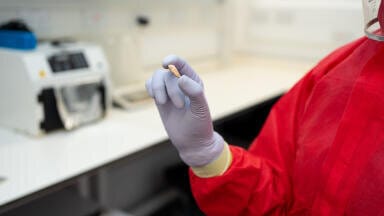
At the centre of the exhibition is the Crick’s Ancient Genomics Laboratory, where researchers are building large-scale datasets of ancient genomes and using high-throughput sequencing and computational models to reconstruct human history in greater detail. The work is also shedding light on how pathogens and disease-related genes have evolved alongside humans.
Pontus Skoglund, Senior Group Leader of the Ancient Genomics Laboratory at the Crick, said: “The field of ancient DNA has advanced dramatically over the past two decades, allowing us to answer questions that were once out of reach. Our lab is steadily expanding the record of shared human history, one ancient sample at a time, and we’re excited to bring visitors at the Crick into that journey.”
Classicist Mary Beard, who contributed to the exhibition, said ancient DNA is reshaping established narratives and introducing “surprising twists” to how we understand the past.
The exhibition also highlights how genetic insights from ancient remains are informing modern biomedical research, including studies of disease susceptibility and pathogen evolution.
More information online
ILM 51.6 Sept 2026



 Product directory













.jpg)

.jpg)



.jpg)


.jpg)
