
Laboratory products
Published over 10 years ago. See the latest and most current information on Laboratory products.
Packaging compliant with UN3373 P650 requirements for larger sample volumes, can be bulky, time consuming to assemble and expensive to mail.
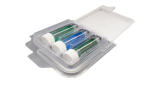
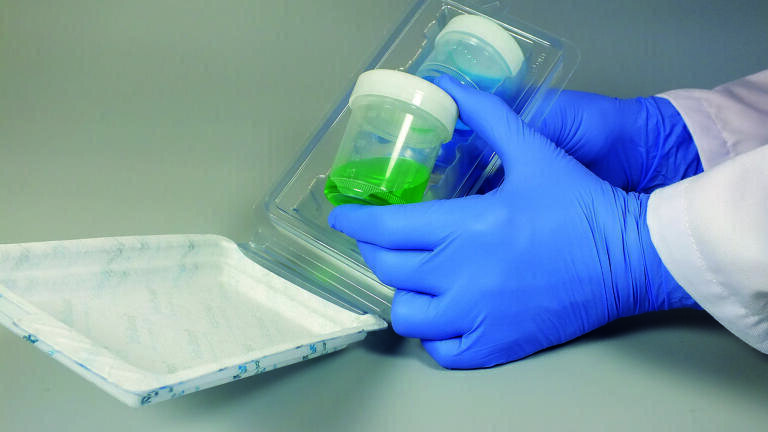
SpeciSafe® makes packaging of category B biological samples simple, convenient and more economical. These easy to use mailing packs have a clear moulded side where the sample containers are placed. The robust, clam shell design is then pressed to close and seal in the container. The other side of the pack is lined with an integrated ultra-absorbent material that soaks up any leakage from the container in seconds and locks it away. This gel block built in absorbency means there are absolutely no leaks and the durable rigid plastic protects against knocks during transport.
The SpeciSafe then only requires an appropriately labelled envelope to complete the package for mailing, making it a convenient cost effective way to package samples for transport whilst meeting all the requirements of UN3373.
Sample details are visible through the clear plastic and any leaks can be easily seen. The latest SpeciSafe design (SH1500SS) can accommodate up to 3x40ml, 2x 60ml or 1x90ml SampleTite or similar containers, or any 2 different volumes in combination.
NOTE: The maximum total volume in the SampleTite containers should not exceed 120ml.
Lab Asia 33.6 Dec

 Product directory