
Clinical, medical and diagnostics
One of the foundations of cancer research has been the in-vitro modelling of disease. Whilst immortalised cell lines have contributed substantially to this field, a move towards 3D culture models has given us a new approach for studying disease mechanisms and evaluating potential therapies. More recently we have seen the development of patient-derived tumour organoids (PDOs) from various tumour tissues [1, 2, 3], functioning as living organoid biobanks that are histologically and genetically similar to the source tissue.
The Fukushima Translational Research Project in Japan is one such example, generating 53 Fukushima patient-derived tumour organoids (F-PDOs) [4], which unlike other tumour organoids were established with a protocol omitting the use of enzymes in extraction and passaging. Whilst these F-PDOs retained the properties of the source tumours, one obstacle for use in high-throughput screening and as a viable alternative to patient-derived xenotransplantation models was their heterogeneity in size and cluster formation.
To overcome these limitations, a new protocol for high-throughput applications was developed using 96 and 384 well plates, successfully establishing an effective model for screening anti-cancer agents against the organoids [4, 5]. PDOs thus demonstrate excellent potential for use in large scale anti-cancer drug testing, accurately recapitulating the clinical cancer environment without impacting throughput.
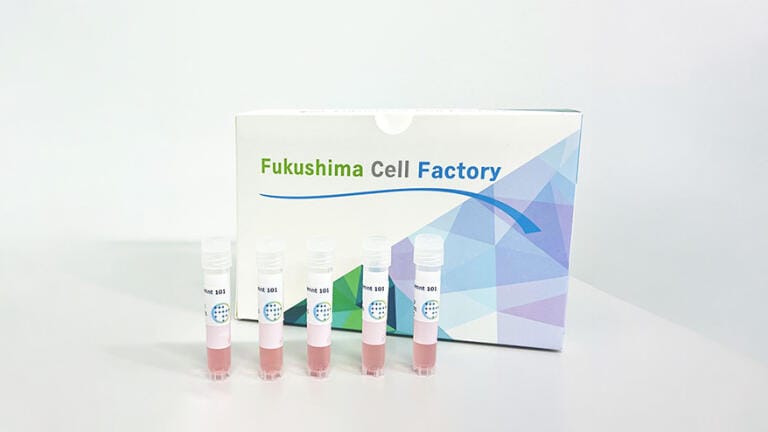
Creating an environment that can maintain PDOs over extended periods whilst maintaining their morphological similarity to source tissue is essential – this is often achieved through optimised supplements. Fukushima Cell Factory, for example, has produced the Cancer Cell Expansion Media plus (CCEMp) supplement, specifically designed for F-PDO culture. CCEMp supplement, when combined with the recommended basal medium, demonstrates the ability to maintain these PDO cultures for over six months, facilitating adoption of this model for high-throughput screening and other research applications.
Discover the CCEMp supplement distributed by Alpha Laboratories in partnership with FUJIFILM Wako.
More information online
References
ILM 51.6 Sept 2026



 Product directory





















.jpg)
